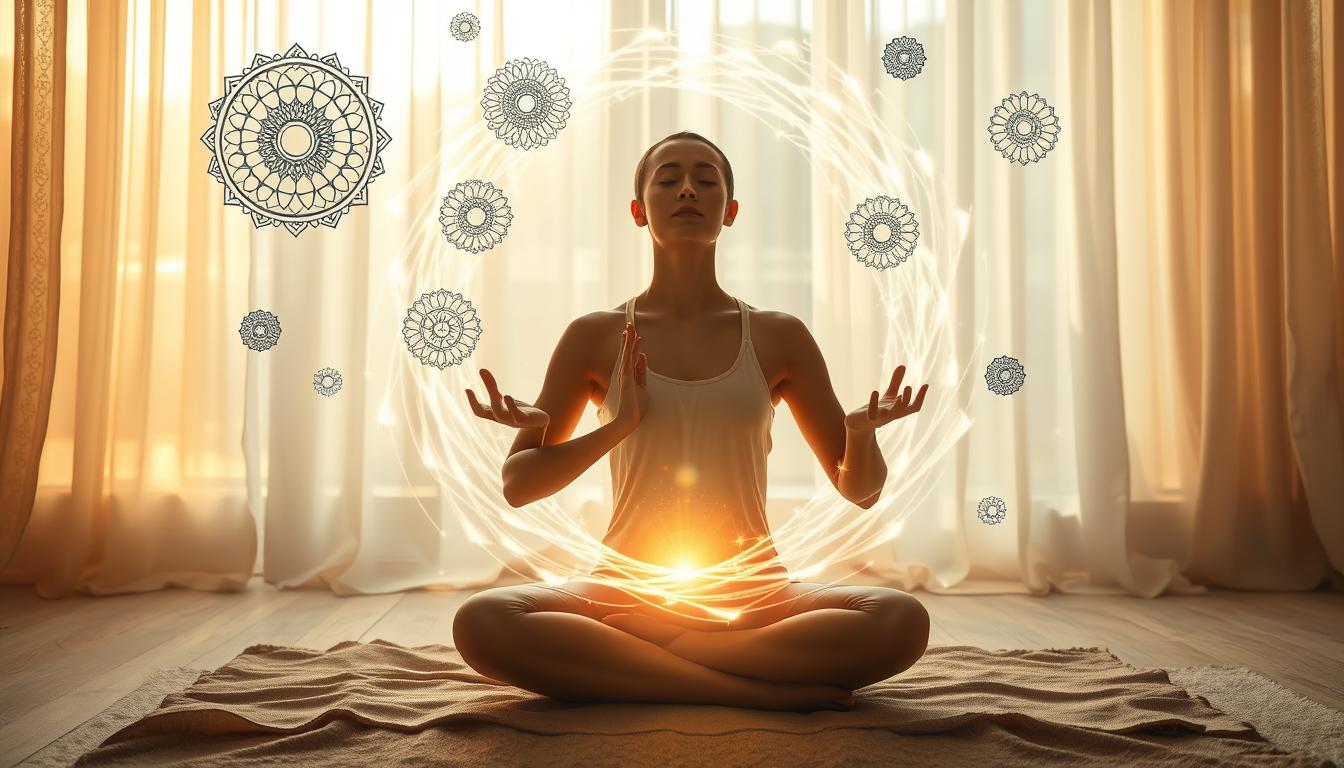

In the diverse world of energy healing, Reiki stands out as a transformative practice that fosters balance and wellbeing. But for those embarking on this spiritual journey, the multitude of Reiki levels can be overwhelming. What exactly do these levels entail? This is where “Reiki levels explained” becomes essential for anyone looking to deepen their knowledge. At its core, Reiki certification levels offer powerful opportunities for personal growth and the enhancement of healing skills. Typically structured into three main levels—each representing a significant leap in knowledge and capability—these stages guide practitioners from the basics of hand placements to the profound mastery of distant healing. Whether you’re a curious novice or an experienced healer considering further training, understanding these levels can help illuminate your path in the world of Reiki.
How does Reiki enhance our life and what do the levels mean? There are three main levels, with some adding a fourth. Each level marks a step up in skill and understanding.

Understanding Reiki levels is key. Each Reiki certification level lays a solid base for our practice. Reiki energy healing help us grow personally and spiritually. I’m excited to share this journey with you, exploring Reiki’s transformative power.
Key Takeaways
- Reiki training has three levels, each corresponding to a different stage of proficiency and understanding
- Reiki levels explained begins withReiki Ievel 1, which focuses on self-healing and hands-on healing for others
- Reiki certification levels are essential for building a strong foundation for our practice
- Reiki energy healing levels can help us grow both personally and spiritually
- Understanding Reiki levels can help us deepen our practice and promote deeper relaxation and well-being
- Reiki is categorized as a complementary therapy, intended to work alongside other medical and therapeutic techniques
- Reiki has been shown to reduce pain, blood pressure, breathing rate, and anxiety in patients undergoing knee replacement surgery
Understanding the Foundations of Reiki Energy Healing Levels
Reiki is a healing practice with deep roots. It’s used in many places like hospitals and yoga studios, and wellness centers. To really get Reiki, we need to know its history and how it works, including the universal life force energy. While many people are drawn to its calming effects and holistic benefits, a deeper understanding of its foundations can enhance the experience. To truly grasp the essence of Reiki, one must explore its rich history, principles, and the concept of universal life force energy, which serves as the cornerstone of this healing modality.
Reiki levels are categorized into three main degrees, each representing a progression in knowledge and understanding. Reiki begins with the first degree, which focuses on self-healing and the ability to channel energy to others. Practitioners learn to connect with the healing energies that flow within and around them, laying the groundwork for future advancement. The second degree delves into more advanced techniques, such as distance healing and the use of sacred symbols, facilitating a deeper connection with the universal life force energy.
Finally, the third degree, or master level, empowers practitioners to teach and attune others to Reiki, solidifying their understanding of energy work and healing principles. This level emphasizes not only advanced techniques but also the development of personal mastery and spiritual growth. Understanding these distinctions between the different Reiki levels not only enhances a practitioner’s journey but also provides insight into the transformative potential of this ancient practice. By grasping the foundations of Reiki, individuals can cultivate a more profound connection to themselves and the world around them, ultimately fostering healing and harmony.
This energy is thought to flow through all living beings. Reiki practitioners learn to use and balance it. This helps in healing and personal growth.
A study showed Reiki can help with depression and anxiety in palliative care patients. Other studies found Reiki can ease pain. For more on Reiki’s benefits and levels, check out this website. It dives into the reiki attunement levels and reiki master levels.
Reiki training has three levels, each one builds on the last. Reiki I teaches self-healing and healing for others. As we learn more about Reiki, we see its depth and how vital it is to understand its levels for personal healing.
Reiki Levels Explained: Your Path to Mastery
Starting our journey to mastery, we see the value of each Reiki level. The advanced reiki training levels help us grow our skills and knowledge. This way, we become skilled reiki practitioners. There are three main levels of Reiki training, each with its own benefits and needs.
Reiki Level 1, or Shoden, is the starting point. Here, students learn basic techniques and how to heal themselves. Moving to Reiki Level 2, or Okuden, we learn about healing from a distance. We also get our symbols, marking a big step in our growth as reiki practitioner levels.
The Master Level, or Shinpiden, is for those who teach Reiki. It’s where masters can attune new practitioners. They also learn to embody values like compassion, integrity, and service.
If you’re looking into Reiki training and certification, knowing the levels is key. It shows your commitment, time, and money put into Reiki. By choosing the right program and practicing, we can unlock our healing power. We become skilled reiki practitioners, ready to heal others in person or from a distance.

First Degree Reiki: Beginning Your Journey
Starting our Reiki journey, the First Degree is the base. It teaches us the basics of reiki energy healing. We learn how to heal others and ourselves, and the right hand positions.
The cost of getting certified in Reiki Level 1 can vary. It depends on the teacher’s experience, where they are, and how they teach.
In Reiki I, we learn to treat ourselves and others. We also learn to scan the body for energy blockages. This first level introduces the concept of reiki symbols, but we learn more about them in later levels.
As we explore Reiki, we see how important reiki symbols are. They help us understand reiki energy healing better. By learning about Reiki I, we grow closer to the practice and its power for change.
The Power of First Level Attunement
The first level attunement is a key moment in our Reiki journey. It opens and expands our body’s energy channels. This lets universal life force energy flow more freely and deeply.
This ceremony, called Reiju, connects us with the universal life force energy. It allows us to use it for healing. Reiki Master Sharna Langlais says the Level 1 attunement was once given in four parts. Now, many give it in one session.
The reiki attunement levels experience is powerful and spiritual. It can cause physical and emotional changes as our body adjusts. As we move through the reiki certification levels, we grow closer to the universal life force energy. Our healing skills get better too.
The first level of Reiki training is open to everyone, no matter their experience. It usually takes 1 day of training to attune to this level.
After the first level, we should practice for 1 week to 3 months before moving on. This helps us integrate the energy and improve our skills. As we continue, we might feel more energy, clearer thinking, and better sleep.
Second Degree Reiki: Expanding Your Practice
As we explore Second Degree Reiki, we deepen our practice. This level introduces advanced techniques like distance healing and working with Reiki symbols. It’s key for effective energy healing and provides a solid foundation for growth.
Learning Reiki symbols is a big part of the Second Degree. These symbols help us send healing energy over long distances. They also help us connect more deeply with the universal life force.
Some benefits of Second Degree Reiki include:
- Distance healing methods, allowing us to send Reiki to others across time and space
- Mental and emotional healing, enabling us to address deeper issues and promote balance and harmony
- Working with Reiki symbols, which amplify our healing energy and enhance our connection to the universal life force
Exploring Second Degree Reiki helps us appreciate the practice more. It shows us how it can lead to personal growth and change. As we continue, we’ll learn even more about Reiki’s advanced techniques and principles.
Advanced Symbol Work in Reiki Level 2
As we explore advanced reiki training levels, we see how important symbol work is in Reiki Level 2. This level introduces three key symbols: Cho Ku Rei, Sei He Ki, and Hon Sha Ze Sho Nen. These symbols are vital for reiki practitioner levels to learn.
These symbols help practitioners send Reiki over long distances. They can treat future problems and heal past traumas. This is a big step in deepening our flow of Life Force Energy.
The sequence of Cho Ku Rei, Sei He Ki, and Hon Sha Ze Sho Nen is key for distance healing. By mastering these symbols, reiki practitioners gain a deeper understanding of Reiki. They can also grow personally and transform.
Advanced symbol work in Reiki Level 2 offers many benefits. It boosts the power of energy flow and allows for effective distance healing. It also helps with mental and emotional healing and spiritual growth.
By learning these symbols, reiki practitioners can grow their practice. They can offer more complete healing services to their clients.
The Master Level: Advanced Healing Techniques
At the Master Level, we dive into the most advanced Reiki practices. We learn about reiki master symbols and how to use them. This level marks another big step in our Reiki journey. We become ready to teach and attune others to Reiki.
The Master symbol is key at this level. Knowing its importance is vital for effective healing. Exploring the Master Level helps us appreciate and understand Reiki more. It also helps us grow and change personally.
- Master symbol implementation and its significance in reiki energy healing
- Teaching and attunement methods, including the importance of the teacher’s attitude and its impact on student attraction and engagement
- Advanced energy channeling and its role in reiki symbols explained
As Reiki Masters, we can teach and attune others. We also keep growing and learning ourselves. This focus on growth is central to becoming a Reiki Master. It shows that growth is natural in all living things.
Certification and Professional Practice
Exploring Reiki, we find it vital to grasp the certification needs and professional guidelines. Reiki certification levels, like Reiki I, II, and Master, lay a solid base for practitioners. To become a certified Reiki practitioner, one must go through specific attunement levels. These include Reiki Level 1, Level 2, and Master level.
Integrating Reiki Into Daily Life
Integrating Reiki into daily life can transform your overall well-being, creating a sense of balance and harmony amidst the chaos of modern living. Whether you’re a seasoned practitioner or a newcomer eager to explore its benefits, incorporating Reiki into your everyday routine can be as simple as setting aside a few moments each day for self-care. This practice aligns the body’s energy, promoting relaxation and healing, which can help you navigate the challenges life throws your way. By establishing a regular practice, you not only enhance your own energy flow but also foster a deeper connection to yourself and those around you.
One practical way to integrate Reiki is through daily self-treatments. Setting aside 10 to 15 minutes each day to practice Reiki on yourself allows you to focus on your own energy needs. This might include placing your hands on different parts of your body, visualizing energy flowing to areas of discomfort, or using affirmations to enhance your practice. Over time, this routine can help improve your physical and emotional health, providing a calming influence in your life. Additionally, invigoration of the energy channels through self-treatment can yield insights and revelations, enriching your spiritual journey.
Ultimately, the key to successfully integrating Reiki into your daily life lies in consistency and mindfulness. By embracing a holistic approach that combines self-treatment, meditation, and an understanding of Reiki’s levels, you create a nourishing environment for personal growth. This practice invites peace, compassion, and clarity into your life, serving as a powerful tool to enhance your well-being and foster connections with others. As you continue to weave Reiki into your daily routine, you’ll likely find that its benefits extend far beyond the moments you dedicate to practice, influencing every aspect of your life positively.
FAQ
What are the different Reiki levels?
What is the significance of each Reiki level?
How does the First Level attunement work?
What are the key aspects of Reiki II?
What is the significance of the Reiki Master level?
What are the certification requirements for Reiki practitioners?
Q: What is Reiki Level 1?
A: Reiki Level 1 is the first stage in the three levels of Reiki training, focusing on self-healing and the fundamentals of channeling universal energy. Students learn how to receive Reiki attunements and begin their journey to become a Reiki practitioner.
Q: What happens during a Reiki attunement?
A: During a Reiki attunement, a Reiki master teacher helps to open and align the student’s energy channels, allowing them to channel Reiki energy effectively. This process is key to becoming a Reiki practitioner and is a significant part of the training at each level.
Q: How do I get a Reiki attunement for Level 1?
A: To get a Reiki attunement for Level 1, you need to enroll in a Reiki Level 1 course with a certified Reiki teacher. The course will guide you through the attunement process and teach you the basics of Reiki healing.
Q: What is the significance of Level 2 in the Reiki system?
A: Reiki Level 2, also known as Reiki 2, allows practitioners to send distance Reiki, use Usui Reiki symbols, and enhance their healing capabilities. This level deepens the understanding of Reiki and expands the practitioner’s ability to heal others.
Q: Can I skip directly to Reiki Level 3?
A: Generally, it is not advisable to skip levels in Reiki training. Each level builds upon the previous one, and completing Level 1 and Level 2 is essential to fully understand and master the skills needed for Reiki Level 3, which focuses on becoming a Reiki master teacher.
Q: What is involved in the Reiki Level 3 Master attunement?
A: The Reiki Level 3 Master attunement involves advanced training that equips practitioners to teach others and perform master-level attunements. It embodies a commitment to the Reiki practice and deepens the connection to universal energy.
Q: How long does it take to complete the training for all three levels of Reiki?
A: The time to complete training varies by individual and the specific courses taken. Typically, it can take several months to a few years to progress through all three levels of Reiki, depending on the frequency of classes and personal practice.
Q: What is the history of Reiki and how does it relate to the levels?
A: The history of Reiki traces back to Japan and was developed by Mikao Usui in the early 20th century. The three levels of Reiki training—Level 1, Level 2, and Level 3—are structured to build on Usui’s teachings, allowing practitioners to deepen their understanding and healing abilities over time.
Q: What is the role of a Reiki teacher in the learning process?
A: A Reiki teacher guides students through the attunements, teachings, and practices of Reiki at each level. They provide support, knowledge, and mentorship to help students become proficient in channeling Reiki energy and understanding the principles behind Reiki healing.