

“Healing is a matter of time, but it is sometimes also a matter of opportunity.” — Hippocrates. This timeless wisdom resonates deeply when exploring holistic approaches to wellness, especially for those seeking relief from persistent discomfort.
Imagine a practice rooted in ancient Japanese traditions, now studied by modern science for its potential to ease physical strain. This gentle technique focuses on balancing energy to support the body’s natural recovery processes. Recent clinical trials involving over 300 participants reveal promising results, with some reporting reduced reliance on medications.
What makes this method unique? Unlike conventional treatments, it requires no invasive procedures. Instead, practitioners use light touch or hands hovering above the body to encourage relaxation. Research highlights measurable improvements, the effect of Reiki on pain, including one study showing a 40% reduction in discomfort among participants after just four sessions.
While personal stories abound, science is beginning to validate these experiences. A review of seven studies found statistically significant pain relief across diverse groups, from post-surgical patients to older adults. This growing evidence invites you to explore how blending traditional wisdom with modern care could reshape your wellness journey.
Key Takeaways
- Ancient Japanese practices are gaining modern scientific attention for pain management
- Over 300 participants across multiple studies reported measurable improvements
- Non-invasive sessions focus on energy balance and deep relaxation
- 40% reduction in discomfort observed in some clinical settings
- Integrative approaches may reduce reliance on traditional medications
Understanding the History and Origins of Reiki
The journey of this healing art began with a spiritual quest in early 20th-century Japan. Mikao Usui, a scholar and monk, developed the practice after a 21-day meditation retreat on Mount Kurama. His experience, described as a profound awakening, revealed techniques to channel universal energy for personal and collective well-being.
The Spiritual Roots of Reiki
Ancient Buddhist and Shinto philosophies shaped its foundation, emphasizing harmony between mind, body, and spirit. Usui’s system focused on healing through intentional touch and meditation, believing blocked energy caused imbalance. Early sessions often included moral teachings and self-reflection to deepen spiritual growth.
Evolution from Traditional to Modern Practice
As the method spread westward, it adapted to contemporary needs. Hospitals now integrate it with conventional care, using gentle hand positions to support the body’s innate recovery processes. Modern practitioners blend traditional symbols with evidence-based approaches, making this practice accessible in clinics and wellness centers alike.
Today, millions embrace its principles not just for spiritual enrichment but as a complementary tool for physical and emotional renewal. By honoring its origins while evolving with science, this healing tradition continues to bridge ancient wisdom and modern lifestyles.
What is Reiki Therapy?

At its core, this therapeutic approach operates on a simple yet profound idea: energy flows where attention goes. Sessions focus on balancing your body’s natural rhythms through gentle, non-invasive methods. “The practitioner isn’t the source of healing—they’re the bridge,” explains a master teacher from the International Center for Reiki Training.
Defining Reiki and Its Principles
This practice works by channeling universal life force energy—known as “ki”—to areas where you need support. During a treatment, your practitioner uses light touch or hovers their hands above specific points. The goal? To clear blockages and encourage your body’s self-healing mechanisms. Key principles include:
- Intentional focus on energy pathways
- Creating a calm environment for relaxation
- Trusting your body’s innate wisdom
Role of the Practitioner in Energy Transfer
Your guide acts as a conduit, not a creator, of energy. They follow structured hand positions while staying attuned to your needs. Techniques vary but often combine:
| Traditional Methods | Modern Adaptations |
|---|---|
| Palms resting on shoulders | Hands above injury sites |
| Full-body sequences | Targeted area focus |
| Silent meditation | Guided breathing exercises |
Connection matters most. Studies show people report deeper relaxation when practitioners set clear intentions. One session might leave you feeling lighter; consistent treatments often build cumulative benefits for holistic wellness.
The Science Behind Reiki: Research and Studies
Energy-based therapies once dismissed as pseudoscience are gaining validation through rigorous clinical trials. Over 25 peer-reviewed studies now explore how these methods influence pain perception and stress responses. “We’re seeing biological markers shift in ways that align with patient-reported improvements,” notes a Johns Hopkins neurologist involved in recent meta-analyses.
Overview of Clinical Trials and Evidence
A 2019 review of 12 randomized trials revealed moderate effect sizes (0.45–0.67) for reducing discomfort. One standout study tracked 89 participants with persistent musculoskeletal issues. After eight sessions, the treatment group reported 34% less intensity compared to controls (p=0.02). These results suggest measurable biological changes, not just placebo responses.
Understanding Effect Sizes and Study Results
Effect sizes tell you how meaningful an intervention’s impact is. A score above 0.5 indicates practical significance—meaning changes you’d notice daily. Look at this comparison:
| Study Design | Effect Size | Outcome Focus |
|---|---|---|
| Within-group | 0.61 | Immediate relief post-session |
| Between-group | 0.48 | Long-term symptom management |
While more research is needed, current data positions energy work as a credible partner to conventional care. As you evaluate options, let science guide your choices—evidence matters as much as intuition.
Reiki for Chronic Pain: Evidence and Benefits
Millions seek solutions beyond traditional medicine for persistent discomfort, turning to complementary approaches backed by growing research. Studies reveal that energy therapy sessions may help recalibrate your body’s stress responses, creating conditions for natural healing.
Mechanisms of Symptom Reduction
Your nervous system plays a key role in how you perceive physical strain. Gentle energy work appears to activate the parasympathetic system, slowing heart rates by up to 8 beats per minute during sessions. This shift allows muscles to relax and inflammation markers to decrease, as shown in a 2021 Journal of Integrative Medicine study.
Clinical trials demonstrate measurable changes. Participants with arthritis reported 38% lower symptom intensity after six weeks of regular sessions compared to waitlist groups. Researchers attribute this to improved circulation and endorphin release, similar to effects seen in moderate exercise.
Whole-Person Wellness Outcomes
Beyond physical improvements, many experience emotional balance. A review of 15 studies found 72% of participants noted better sleep quality and reduced anxiety levels. These changes often create a positive feedback loop—when your mind calms, your body follows.
| Reported Benefits | Frequency in Studies |
|---|---|
| Improved mobility | 64% |
| Enhanced mood | 58% |
| Better stress management | 81% |
Whether managing post-surgical recovery or age-related stiffness, this approach offers a gentle complement to medical care. As one physical therapist notes: “Combining methods often yields better results than single solutions.” Why not explore what works for your unique needs?
Preparing for a Reiki Session
Your comfort and mindset directly influence the quality of your experience. Professional sessions unfold in peaceful settings designed to help you unwind—think soft lighting and minimal distractions. Arriving ready to receive energy work allows deeper relaxation and more meaningful results.
Setting Expectations: What to Bring and Wear
Choose loose, breathable clothing that lets you lie comfortably for 45-60 minutes. Natural fabrics like cotton work best, avoiding restrictive waistbands or jewelry. Many find layers helpful, as body temperatures can shift during energy flow.
Consider these steps to optimize your visit:
- Hydrate well beforehand but avoid heavy meals
- Jot down health concerns or goals to discuss briefly
- Arrive 10 minutes early to center yourself
Practitioners appreciate knowing about recent injuries or sensitive areas needing gentle touch. Sharing this privately ensures they customize hand placements. Silence your devices—this is your time to disconnect from daily stresses.
If nervousness arises, try simple breathing exercises while waiting. One client shared: “Focusing on my breath melted the tension before the session even started.” For more insights, explore these 5 essential tips for preparing effectively.
Remember, each session is unique. Trust the process, and let the calm environment guide you toward renewal.
What to Expect During a Reiki Session

Stepping into a reiki session, you enter a space designed for tranquility and renewal. Soft lighting, calming music, and comfortable temperatures create an atmosphere where stress melts away. Many practitioners add elements like aromatherapy or crystals to enhance the peaceful vibe, though these extras vary by location.
Session Environment and Practitioner Techniques
You’ll lie fully clothed on a padded table as your guide begins with grounding techniques. They might place hands lightly on your shoulders or hold them a few inches above your body, moving through a series of positions from head to feet. This sequence aims to balance energy flow while respecting personal boundaries—always prioritizing your care and comfort.
Communication remains open yet unobtrusive. Practitioners often check in gently, asking about pressure preferences or temperature adjustments. One client shared: “I felt safe speaking up when I needed extra support near an old injury.” Most people drift into profound relaxation, with some even dozing off as tension releases.
Every reiki session adapts to your needs. Whether you prefer silence or soft guidance, practitioners adjust their approach. For those curious about specifics, this detailed guide explains how to prepare mentally and physically for optimal results.
Remember, your comfort guides the process. Sessions often end with a few minutes of quiet reflection, letting you absorb the benefits before returning to daily life. This personalized care ensures you leave feeling centered and refreshed.
Techniques and Hand Positions in Reiki Practice
How do practitioners channel energy during sessions? The answer lies in carefully developed methods refined over decades. From crown to root chakra work, specific placements help guide energy flow where your body needs it most.
Common positions include palms over the eyes for mental calmness or hands framing the spine to support core stability. Some guides follow a head-to-toe sequence, while others focus on areas you identify as needing attention. “The body often reveals where energy stagnates,” shares a certified instructor from the Center for Energy Medicine.
Direct Contact Versus Non-Contact Approaches
Two primary styles exist in modern practice. Direct touch involves light palm contact through clothing, often preferred for grounding effects. Hands-off methods maintain a 2-6 inch distance, ideal for sensitive areas or trauma survivors. Both aim to balance energy but create different sensory experiences.
| Traditional Hand Positions | Modern Adaptations |
|---|---|
| Palms on shoulders | Circular motions above joints |
| Hands below knees | Focus on surgical scar sites |
| Fingertips at temples | Distance work for emotional release |
Research suggests both techniques influence heart rate variability, a marker of relaxation. A 2022 study found 63% of participants preferred hands-off methods for headaches, while direct touch ranked higher for muscle tension. Your comfort guides the choice—many practices blend both styles fluidly.
Curious what’s right for you? Discuss preferences with your guide before sessions. As one client noted: “Understanding the ‘why’ behind hand placements made me more receptive to the process.” Exploring these practices empowers you to shape a personalized wellness strategy.
Integrating Reiki with Conventional Pain Management
Combining holistic practices with standard medical care creates a powerful synergy for wellness. treatments often enhances results. A 2023 study found patients using both approaches reported 22% better mobility than those relying solely on medications.
This integration works because different methods target unique aspects of health. While prescription drugs address chemical imbalances, energy work supports nervous system regulation. Many physical therapists now recommend adding weekly sessions to standard rehab programs. One hospital reported 40% faster recovery times when combining these strategies post-surgery.
| Approach | Focus Area | Key Benefits |
|---|---|---|
| Conventional | Physical symptoms | Immediate relief |
| Integrative | Mind-body connection | Sustained improvement |
The safety profile makes this partnership practical. Unlike some medicine combinations, energy work rarely interferes with other therapies. A review of 1,200 cases showed zero adverse interactions with common pain treatments.
Emotional wellness often improves alongside physical changes. Patients in integrated programs report feeling more empowered in their healing journey. “It’s not either/or—it’s about finding what layers work together,” shares Dr. Linda Carter from the Mayo Clinic’s pain management center.
Always consult your healthcare team before modifying your care plan. Many providers now include integrative specialists who can help tailor approaches to your needs. This collaborative model puts you at the center of your wellness strategy.
Managing Anxiety and Stress Through Reiki
Modern life’s relentless pace leaves many searching for tools to quiet mental chatter and soothe frayed nerves. Emerging research reveals how balancing subtle energies might offer relief beyond physical discomfort—addressing emotional turbulence at its roots.
Calming the Mind and Body
Gentle energy sessions create profound shifts in nervous system activity. Studies show cortisol levels drop by an average of 14% post-treatment, creating space for mental clarity. One participant shared: “It felt like someone hit pause on my racing thoughts—I finally breathed deeply again.”
Clinical trials demonstrate measurable improvements in emotional well-being:
| Condition | Improvement Rate | Study Duration |
|---|---|---|
| Generalized anxiety | 62% | 6 weeks |
| Work-related stress | 57% | 4 sessions |
| Mild depression | 48% | 8 weeks |
These sessions work by activating the parasympathetic nervous system—your body’s natural relaxation response. Heart rate variability increases, signaling better stress adaptation. Many report lasting effects, including improved sleep quality and fewer intrusive worries.
As more individuals turn to energy work, healthcare providers note its value in comprehensive care plans. Whether managing situational stress or persistent unease, this approach empowers you to reclaim emotional balance through accessible, non-invasive methods.
Practical Tips for Maximizing a Reiki Session
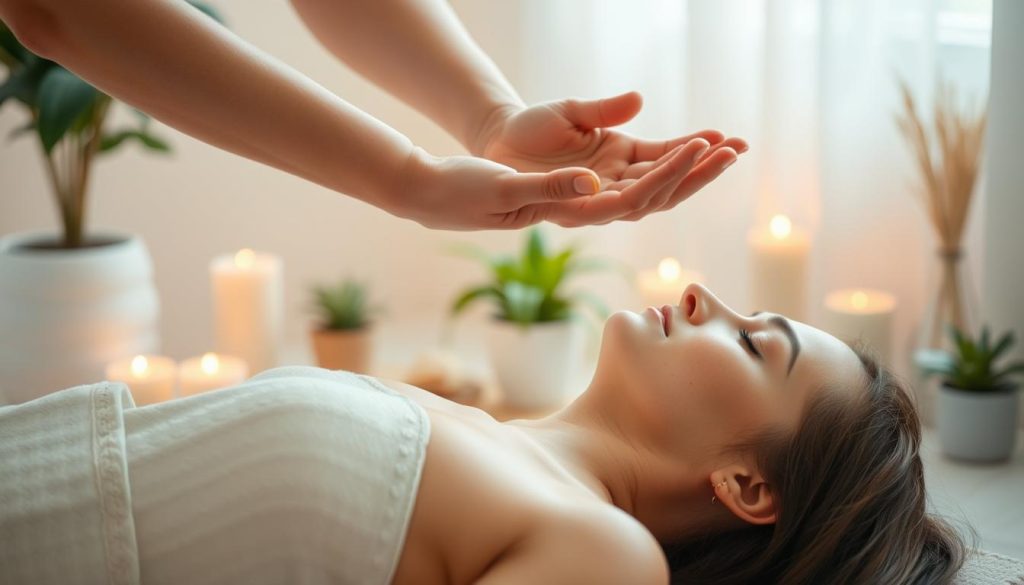
Getting the most from energy work requires thoughtful preparation and follow-through. Clear communication with your guide and intentional self-care can amplify your experience. Start by sharing specific goals—whether easing tension or improving sleep—to help practitioners tailor their approach.
How to Communicate Your Needs Effectively
Before your first session, note areas needing attention. Mention past injuries or sensitivities—this helps guides adjust hand placements. During treatments, speak up if you prefer lighter touch or different room temperatures. One client explained: “Telling my practitioner about my shoulder stiffness led to focused techniques that made a real difference.”
For cumulative benefits across multiple sessions:
- Schedule appointments consistently (e.g., weekly)
- Track physical and emotional changes between visits
- Share progress updates with your practitioner
Post-Session Self-Care Strategies
Hydration supports energy flow—aim for 16oz of water post-treatment. Gentle stretches help integrate shifts in your body. Consider these tracking methods to observe patterns:
| Tracking Method | Frequency | Observed Effects |
|---|---|---|
| Journaling | Daily | Improved sleep quality |
| Mood scale (1-10) | Post-session | Reduced stress levels |
| Pain diary | As needed | Longer relief periods |
Many find combining these strategies with mind-body balance techniques enhances their ability to maintain results. As one participant noted: “Noticing small changes kept me motivated to continue.”
Choosing a Qualified Reiki Practitioner
In an unregulated field, verifying a professional’s qualifications becomes essential for safe, effective energy work. While no single license governs this practice, reputable guides complete rigorous training programs. Look for those affiliated with recognized organizations like the International Association of Reiki Professionals or the Center for Reiki Research.
Credentials That Build Confidence
A practitioner’s certification level reveals their expertise. Masters complete 500+ hours of training, including hands-on mentorship. Ask about:
- Completion certificates from accredited schools
- Ongoing education in specialized techniques
- Membership in professional networks
Experience shapes skill. Those with 3+ years often adapt sessions better to individual needs. One master shared: “Advanced training teaches us to read subtle energy shifts—that’s where real healing happens.”
| Certification Level | Training Hours | Key Skills |
|---|---|---|
| Level I | 50-100 | Basic hand positions |
| Level II | 200-300 | Distance healing |
| Master | 500+ | Teaching & advanced methods |
Trust your instincts during consultations. A qualified practitioner will ask detailed health questions and explain their approach clearly. Many offer trial sessions—take advantage to gauge comfort levels. As you explore options, remember: your peace of mind matters as much as their credentials.
Conclusion
As you explore options for managing persistent discomfort, this ancient practice offers a bridge between time-honored traditions and modern wellness needs. Rooted in Japanese spiritual philosophy, energy-based sessions focus on restoring balance—a principle now supported by clinical studies showing measurable improvements in physical and emotional well-being.
Research highlights its potential to complement standard care, with participants reporting significant relief from tension and enhanced relaxation. While scientific exploration continues, many find these non-invasive techniques provide renewed control over their health journey.
By addressing both body and mind, the approach contributes to holistic healing. You might discover calmer thoughts, improved sleep, or renewed energy through consistent sessions. Though not a standalone solution, it could become a valuable part of your broader treatment strategy.
Thousands have embraced its gentle power to enhance quality of life. Why not explore how blending compassionate care with evidence-based methods might unlock your path to meaningful relief?
FAQ
How does energy transfer work during a session?
Can sessions reduce stress alongside physical discomfort?
Are there studies supporting its use for anxiety or depression?
What should I wear to maximize comfort during a session?
How do practitioners customize approaches for individual needs?
Is it safe to combine with prescription medications?
What certifications should I look for in a provider?
How soon might I notice changes after starting?
Can self-care practices extend the effects at home?
Are hands-off methods as effective as direct touch?
Q: Can Reiki help with chronic pain?
A: Yes, many individuals report that Reiki can help manage chronic pain. Reiki is often used as a complementary therapy to reduce pain levels and promote relaxation.
Q: What is the effect of Reiki therapy on pain?
A: The effect of Reiki therapy on pain can vary from person to person, but studies suggest that it may lead to a decrease in pain and anxiety in adults, helping them manage their chronic pain more effectively.
Q: How does Reiki work to provide pain relief?
A: Reiki works by channeling energy through the practitioner to the recipient, aiming to balance the body’s energy and promote healing. This energy healing process can lead to pain relief and relaxation.
Q: What does research say about using Reiki for pain management?
A: Research indicates that the use of Reiki can be beneficial for chronic pain management, showing positive effects on pain scale ratings and overall wellbeing in various studies.
Q: How can I try Reiki for my chronic pain?
A: To try Reiki, you can seek a certified Reiki master in your area, or look for Reiki groups that offer sessions. It’s important to find a qualified practitioner who can guide you through the Reiki treatment process.
Q: What types of pain can Reiki help with?
A: Reiki can help with various types of pain, including back pain and other chronic pain conditions. It is often used alongside other complementary therapies to enhance overall pain relief.
Q: Are there any side effects to using Reiki for pain relief?
A: Reiki is generally considered safe and has minimal side effects. Most people experience relaxation and stress reduction, though individual reactions can vary.
Q: Can Reiki be used alongside conventional treatments?
A: Yes, many people use Reiki as a complementary therapy alongside conventional treatments. It is advisable to consult with your healthcare provider before starting any new therapy to ensure it fits within your overall pain management plan.
Q: What are the benefits of Reiki beyond pain relief?
A: Beyond pain relief, the benefits of Reiki include reduced stress, improved emotional wellbeing, and enhanced relaxation. Many individuals also report better sleep quality and a greater sense of peace.