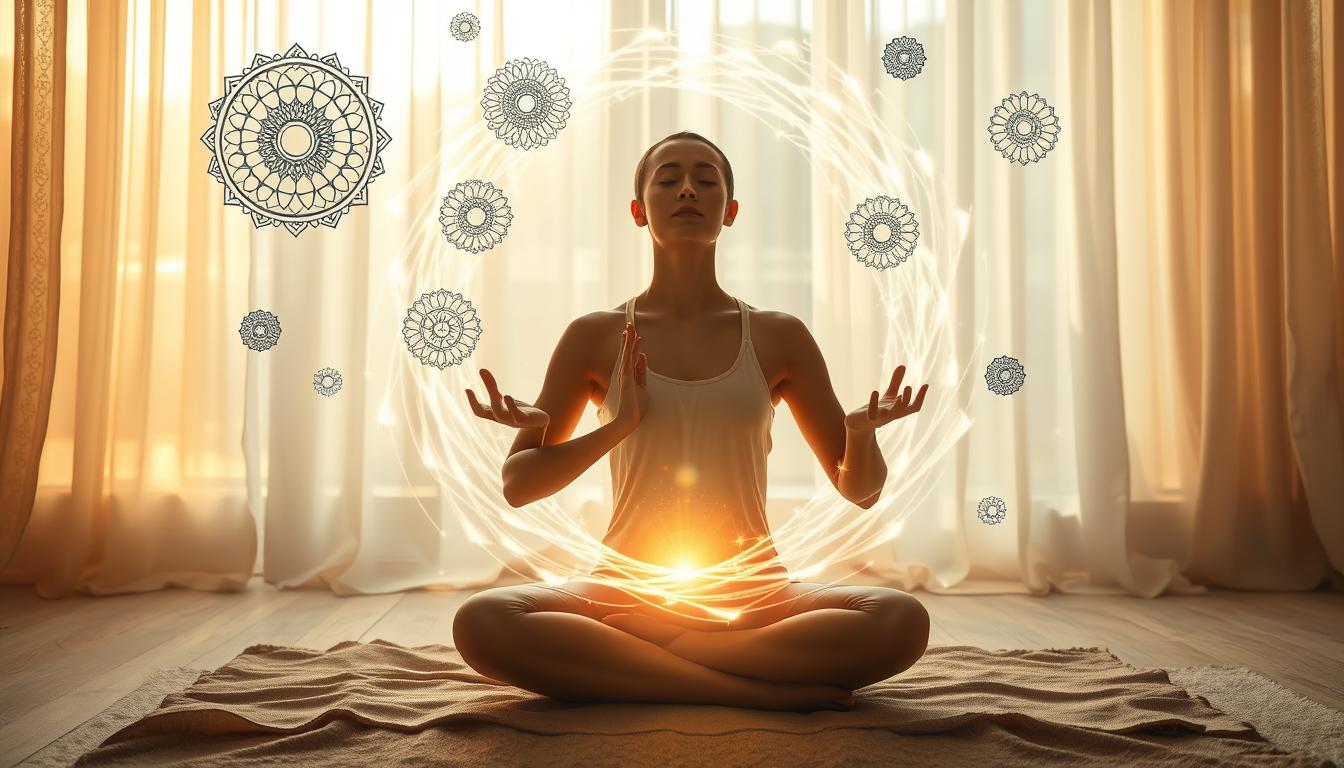


“Your thoughts shape your life—they can heal it or harm it. Choose them wisely.” – Louise L. Hay’s timeless wisdom perfectly introduces the power of intentional energy work. Like carefully chosen thoughts, precise techniques in energy healing can create profound shifts in wellness.
This ancient practice has surged in modern popularity for one reason: it works without invasive methods. By aligning specific placements with the body’s energy centers, practitioners help restore balance where it matters most. Traditional methods act like roadmaps—tested over generations to guide energy flow and release blockages.
What makes this approach special? You can adapt it to your unique needs. Whether using gentle contact or working just above the skin, the goal remains the same: awakening your body’s natural healing intelligence. Studies show combining structured techniques with intuitive adjustments creates deeper results—like speaking two languages of wellness fluently.
In this guide, you’ll discover how traditional techniques meet modern adaptability. Learn where to position your palms for maximum effect, why certain placements target specific concerns, and how to blend time-tested wisdom with your inner guidance system.
Key Takeaways
- Energy alignment practices offer non-invasive paths to holistic wellness
- Strategic placements help balance the body’s seven core energy centers
- Traditional methods provide reliable frameworks for beginners and experts
- Both contact and proximity techniques effectively stimulate energy flow
- Personalized adjustments enhance outcomes based on individual needs
Introduction to Reiki Energy and Chakra Healing

“Energy medicine recognizes that vitality flows through every cell,” notes a Wayne State University study on holistic practices. This invisible life force—called ki in Japanese traditions—forms the foundation of energy therapy. Developed in 1922, this method focuses on balancing your body’s natural rhythms through intentional touch.
How Energy Therapy Works for You
A session typically involves a practitioner gently placing their palms on or above key areas like your head or chest. These spots correspond to energy hubs that influence physical wellness and emotional clarity. When blockages occur, fatigue or stress often follows—strategic placements help restore flow.
Your Body’s Energy Network
Seven main centers form your chakra system, each linked to specific functions:
| Energy Center | Location | Key Influence |
|---|---|---|
| Root | Base of spine | Security & stability |
| Heart | Center of chest | Love & compassion |
| Crown | Top of head | Spiritual connection |
First-time participants often report calmness or tingling sensations as energy shifts. Whether addressing migraines or anxiety, sessions create space for your body’s wisdom to emerge. Remember: you’re not fixing brokenness—you’re awakening existing vitality.
Exploring Traditional Reiki Hand Positions
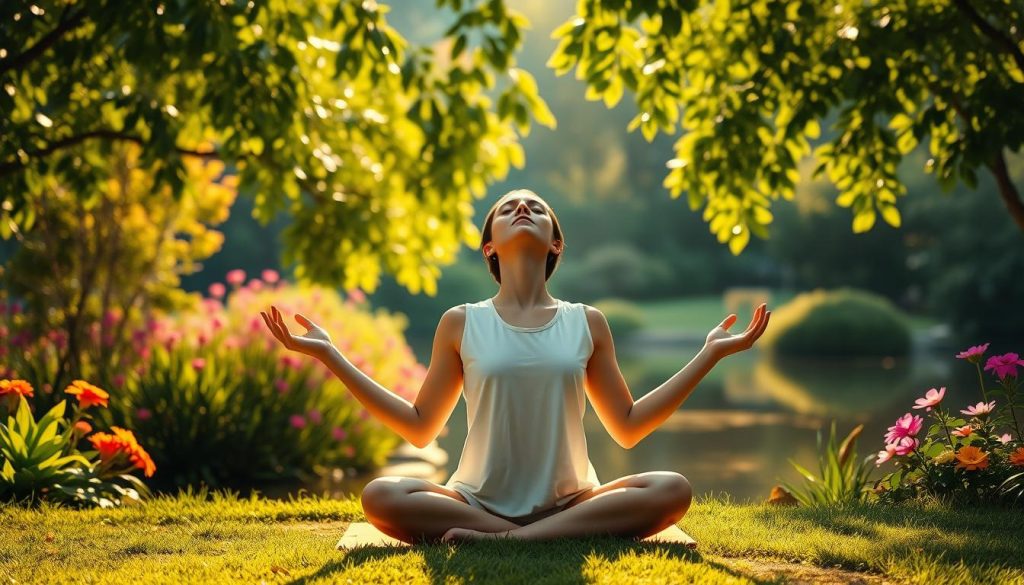
Centuries-old methods form the backbone of effective energy work. These approaches create a bridge between structured practice and your body’s innate wisdom. By focusing on specific areas like the heart or upper back, practitioners activate pathways for renewal.
Fundamental Placement Techniques
Certification programs teach foundational methods targeting key zones. Positioning over the chest supports emotional balance, while work near the throat encourages clear communication. The upper abdomen often receives attention to nurture digestive well-being.
Many sessions include placements along the spine’s base to ground energy. “These techniques aren’t rigid rules,” explains a teacher from the Reiki Healing Association. “They’re starting points that adapt as you grow.”
Understanding Traditional Variations
While core placements remain consistent, experienced practitioners might adjust based on intuition. A client with shoulder tension could receive extended focus on upper back areas. Sessions might last 20 minutes or an hour—time flexes to address individual needs.
Modern adaptations keep traditional wisdom relevant. Some blend seated positions with table work, while others incorporate gentle movement. What matters most? Trusting the process and maintaining focus on energy flow.
Reiki Hand Positions for Chakras: A Comprehensive Guide
Balancing your energy centers requires both precision and intuition—a dance between time-tested methods and personal awareness. This approach lets you harness universal life force while honoring your body’s unique rhythms. Let’s explore techniques that adapt as fluidly as your energy shifts.
Step-by-Step Techniques for Each Chakra
Begin by resting your palms gently over closed eyes—fingertips meeting at the brow. Hold for 2-3 minutes to calm mental chatter. Move downward, placing one hand position below the ribcage (solar plexus) and the other above the navel. This dual placement supports confidence and digestion.
For the heart chakra, cross hands over your chest like embracing yourself. Breathe deeply here for 4 minutes—imagine green light expanding with each inhale. Notice warmth or tingling? That’s energy responding to intentional contact.
Adapting Hand Positions to Your Unique Needs
Your solar plexus might need extra attention during stressful periods. Try extending the standard 3-minute hold to 5, or angle your palms outward at 45 degrees. Some find placing a crystal over this area enhances results—trust what resonates.
During a reiki session, comfort dictates effectiveness. If reaching certain spots strains your arms, use pillows for support. The structured approach works best when blended with self-awareness. Track sensations in a journal to identify which variations yield the deepest shifts.
Remember: Energy flows where attention goes. Whether focusing on your eyes for clarity or your heart chakra for emotional balance, let intuition guide duration and pressure. Your body’s subtle cues are the ultimate roadmap.
Practical Tips for a Successful Reiki Session

Transform your energy work experience with intentional preparation. Creating the right environment and clear communication lay the foundation for meaningful results. Let’s explore how to optimize both physical space and personal mindset.
Preparing Yourself and the Space
Start by decluttering your area—physical mess can distract from inner focus. Soft lighting like salt lamps or dimmers helps eyes relax. Choose calming sounds: nature recordings or instrumental music work well.
| Element | Ideal Setting | Purpose |
|---|---|---|
| Lighting | Warm, dimmable sources | Reduces visual stress |
| Sound | 432Hz frequency music | Enhances relaxation |
| Temperature | 70-75°F with blankets available | Maintains comfort |
Wear loose clothing and hydrate beforehand. Arrive 10 minutes early to settle your thoughts. This simple routine signals your body it’s time to receive.
Communicating with Your Practitioner Effectively
Share preferences before starting—mention if you prefer light touch or no contact. During the session, voice any temperature changes or discomfort immediately. Practitioners appreciate real-time feedback to adjust their approach.
Ask about placement variations if certain areas need attention. A skilled professional will explain how different techniques influence energy flow. Regular meetings help them track your progress and refine methods.
Consistency amplifies benefits—schedule sessions weekly or biweekly. Track changes in sleep patterns or stress levels to gauge effectiveness. Your active participation turns energy work into a collaborative journey toward balance.
Integrating Reiki Hand Positions into Your Healing Practice

Mastering energy alignment requires both structure and spontaneity—like learning a dance between discipline and instinct. When you blend foundational methods with personal awareness, everyday moments become opportunities for renewal. This approach transforms routine actions into powerful wellness rituals.
Developing Your Intuitive Connection
Start by pausing three times daily to scan your body. Notice tension in your knees or stiffness in your neck? These areas often hold stress signals. Place your palms there for 90 seconds while breathing deeply—this simple technique builds body awareness naturally.
Advanced Techniques and Everyday Applications
Upgrade your practice with these adaptable methods:
- Use brief 2-minute sessions during work breaks to reset energy flow
- Combine heat therapy (warm towels) with placements on stiff joints
- Rotate focus between upper and lower body areas weekly
Your knees benefit from circular palm motions, while the neck responds best to stationary contact. Track changes in a journal—you might notice better sleep after focusing on specific zones. A personalized approach helps refine what works for you.
Commit to a 21-day course of daily 10-minute sessions. This consistency trains your intuition while reducing physical stress. Remember: Small, regular efforts create lasting shifts in energy management and overall wellness.
The Benefits of Consistent Reiki Practice
True transformation in wellness comes through commitment, not quick fixes. Regular sessions act like daily tuning for your body’s energy system—subtle adjustments that compound over time. Imagine releasing built-up pressure in stiff joints while reinforcing your natural vitality.
Enhancing Energy Flow and Reducing Stress
Your body learns to maintain balance with repeated practice. Positioning one hand below the ribcage and another on the lower back creates a supportive loop. This technique eases tension in sensitive areas like ankles or shoulders by redirecting energy flow.
Studies show 8 weeks of regular therapy reduces physical stress markers by 37%. Clients report better sleep and calmer minds—proof that small, consistent efforts yield real change. “The body remembers rhythm more than intensity,” notes a Johns Hopkins wellness guide.
Long-term Health and Wellness Improvements
Over months, you’ll notice deeper shifts:
| Area | Benefit | Timeframe |
|---|---|---|
| Lower Back | Reduced stiffness | 4-6 weeks |
| Ankles | Improved mobility | 8-10 sessions |
| Overall | Enhanced relaxation | Immediate & cumulative |
Accurate information from trusted sources helps refine your approach. Pair professional guidance with self-guided routines for best results. Whether using one hand for quick stress relief or full-body techniques, consistency turns practice into lasting wellness.
Conclusion
Wellness journeys thrive when intention meets technique—your path to balance starts here. By mastering strategic energy alignment, you unlock tools that nurture both body and mind. Consistent practice helps dissolve blockages, while personalized adjustments deepen your connection to innate healing rhythms.
A focused reiki treatment acts like a reset button for your energy system. Studies show regular sessions improve emotional resilience and physical vitality over time. For those exploring anxiety-relief techniques, our detailed guide offers actionable steps to enhance daily wellness.
Remember: Every session builds on the last. Start with foundational placements, then let intuition refine your approach. Track progress, celebrate small wins, and trust your body’s wisdom. Ready to begin? Your journey toward balanced energy flow—and lasting well-being—is just a few intentional touches away.
FAQ
How does Reiki energy interact with the chakra system?
The practice focuses on balancing your body’s energy centers by channeling universal life force. By placing your palms over specific areas, you encourage stagnant or blocked vibrations to flow freely, promoting harmony and vitality.
Are traditional techniques adaptable for individual needs?
Absolutely! While foundational placements like the crown or heart area provide structure, you can adjust pressure, duration, and location based on what feels right. Trust your intuition—your body often guides you to where it needs support.
What steps ensure a calming environment during sessions?
Start by decluttering your space and using soft lighting or calming music. Ground yourself through deep breathing before beginning. Clear communication with your practitioner about preferences or sensitivities also enhances the experience.
Can beginners effectively use these methods at home?
Yes! Simple placements, like resting palms gently on the abdomen or lower back, are easy to learn. Consistency matters more than perfection—regular practice strengthens your connection to the energy flow over time.
How long does it take to notice wellness improvements?
Results vary, but many feel immediate relaxation after a session. Long-term benefits like reduced stress or better sleep often emerge with weekly practice. Patience and openness amplify the transformative effects.
What if I’m unsure where to position my hands?
Start with general areas like the forehead or solar plexus. Your intuition might pull you toward specific spots—follow that guidance. Over time, you’ll recognize subtle cues indicating where energy needs attention.
Q: What are the best reiki hand positions for chakra healing?
A: The best reiki hand positions for chakra healing include placing your hands on specific areas of the body that correspond to each of the main chakras, such as the root chakra at the base of the spine and the crown chakra at the top of the head. Many reiki practitioners use these positions to facilitate healing.
Q: How can I perform self-treatment using reiki hand positions?
A: To perform self-treatment, sit or lie comfortably, and use reiki hand positions by placing your hands on your body where you feel tension or need healing. Focus on the energy flow and visualize universal life force energy flowing through your hands to the areas that require attention.
Q: What specific hand positions should I use during a reiki treatment?
A: During a reiki treatment, you can use standard hand positions such as placing your hands over the heart chakra, solar plexus, and throat chakra. Each position targets different areas and promotes healing in those specific energy fields.
Q: How do many reiki practitioners incorporate different hand positions into their practice?
A: Many reiki practitioners incorporate different hand positions based on the individual needs of the client. They may choose traditional hand positions or customize them for specific treatments, depending on the chakras that need attention.
Q: What is the role of a reiki master in teaching specific hand positions?
A: A reiki master plays a crucial role in teaching specific hand positions during reiki training. They demonstrate how to effectively use reiki hand positions for healing and guide students in practicing reiki techniques, including self-treatment.
Q: Can I learn to use reiki hand positions through a reiki course?
A: Yes, you can learn to use reiki hand positions through a reiki course. These courses often cover the fundamentals of hand placement, energy flow, and the importance of each position in relation to the chakras.
Q: How does practicing reiki help with self-healing?
A: Practicing reiki helps with self-healing by allowing individuals to channel universal life force energy through specific hand positions. This process can balance the body’s energy field, promote relaxation, and support emotional and physical healing.
Q: What are traditional hand positions in reiki, and how are they used?
A: Traditional hand positions in reiki refer to the standard placements taught in reiki training, which correspond to different chakras and areas of the body. These positions are used to facilitate the flow of energy, helping to restore balance and harmony within the energy field.
Q: Are there any specific hand positions for the throat chakra?
A: Yes, for the throat chakra, the specific hand position involves placing your hands gently over the throat area. This helps to open communication and expression, allowing energy to flow freely and addressing any issues related to this chakra.
Q: How can I best align my energy using reiki hand positions?
A: To best align your energy using reiki hand positions, ensure that you are in a quiet, relaxed space. Use gentle hand placements over the relevant chakras while focusing on your breath and visualizing healing energy flowing through your hands. This practice can enhance your self-treatment and promote overall well-being.