

“Your body is not just a physical vessel. It is a living energy field that connects you to the world around you.” – Thich Nhat Hanh. These words capture the essence of energy work, guiding you toward a path where choosing the right instruction matters deeply. Whether you’re drawn to healing for personal growth or to support others, your journey begins with clarity.
Imagine transforming stress into calm or uncertainty into purpose. One student shared, “Reiki Level 1&2 were so amazing. It was truly a life-changing experience.” Courses like those in Mexico, Bali, or the UK range from US$512 to US$3,888, offering flexible schedules—from weekend workshops to month-long immersions. Your goals determine whether a 1-day introductory class or a multi-level certification aligns with your vision.
Credentials matter. Verify your teacher’s lineage and certification validity. Does their approach emphasize hands-on practice or theoretical study? For example, Bali retreats often blend meditation with nature, while UK programs may focus on clinical applications. Read testimonials, compare syllabi, and ask about post-course support. Registration should feel straightforward, with clear details on credits or refunds.
Key Takeaways
- Match courses to your goals—self-healing, professional practice, or teaching.
- Compare formats: in-person retreats, online classes, or hybrid models.
- Prioritize instructors with verified credentials and student reviews.
- Budget for options ranging from under $600 to nearly $4,000.
- Check if certifications are recognized globally or within specific organizations.
Understanding the Fundamentals of Reiki and Its Benefits
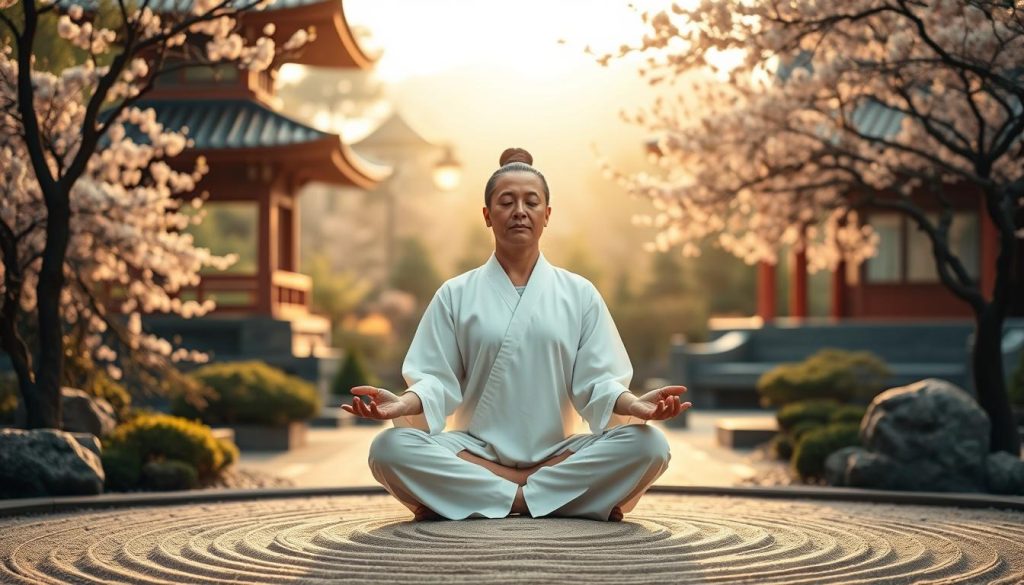
What if ancient wisdom could help you navigate modern stress? Rooted in early 20th-century Japan, this energy therapy technique was developed by Mikao Usui to restore balance through gentle hand placements. Its five core principles—like “Just for today, do not worry”—offer timeless guidance for emotional resilience.
History and Principles of Reiki
Usui’s teachings emphasize channeling universal energy to support the body’s natural healing processes. Unlike other therapies, sessions focus on non-invasive touch to clear energetic blockages. Duke Health & Well-Being’s accredited programs, for example, teach these methods through structured classes that blend theory with hands-on practice.
How Reiki Reduces Stress and Enhances Healing
Research shows that Reiki healing sessions activates the parasympathetic nervous system, lowering cortisol levels by up to 35% in some studies. One participant noted, “After three sessions, my chronic tension faded—like a weight lifted.” Whether you’re managing daily anxiety or recovering from illness, the technique adapts to your needs without demanding hours of daily commitment.
By aligning intention with energy flow, you create space for both physical relief and emotional clarity. It’s not just about relaxation—it’s about reclaiming your capacity to heal.
Features of the Best Reiki Training Program

Clear structure and recognized credentials separate meaningful learning from superficial workshops. A well-designed curriculum balances theory with hands-on application—like Duke University’s Reiki Level One training, where 60% of class time focuses on practicing techniques. You’ll find programs ranging from intensive 3-day retreats in India to 22-day immersions in the UK, all emphasizing personalized feedback.
Course Structure and Certification Details
Look for syllabi that blend lectures with experiential work. For example, some courses allocate specific hours to mastering symbols or client communication. Upon completion, certifications should specify your practitioner level and include verifiable codes for employers or organizations.
Accreditation and Continuing Education Credits
Credits like AMA PRA Category 1 or ANCC CEUs signal adherence to medical and educational standards. These validate your training for licensure renewals or hospital roles. Always confirm if the issuing institution undergoes third-party reviews—transparency here builds trust in your credentials.
Whether you choose a weekend class or month-long course, prioritize programs that map progress clearly. One graduate shared, “Knowing my certification met global benchmarks gave me confidence to start my practice.” Your education should empower, not just instruct.
Qualities of an Exceptional Reiki Master Teacher

How do you recognize a guide who can truly nurture your energy healing journey? Exceptional instructors blend wisdom with humility, creating spaces where students feel empowered to grow. Their expertise shines through both technical mastery and compassionate mentorship.
Experience That Builds Trust
Look for teachers with 10+ years of hands-on practice and recognized certifications. Deborah Dixon, featured in Duke University’s programs since 2006, holds dual certifications in Usui and Karuna lineages. Her approach integrates:
| Credential | Years Active | Specialization |
|---|---|---|
| Usui Reiki Master | 18 | Clinical Applications |
| Karuna Reiki® Teacher | 12 | Trauma-Sensitive Practice |
| IAMRA Accredited | 9 | Ethical Mentorship |
Stories That Inspire Confidence
Sarah’s UK retreat students often describe breakthroughs. “She noticed when I hesitated during attunements and gently helped me trust my intuition,” shares one participant. Transformative feedback patterns reveal what matters most:
- Clear communication of complex energy concepts
- Patience with diverse learning paces
- Transparency about mentorship challenges
One graduate’s journey stands out:
“After failing my Level 3 exam twice, my teacher spent extra hours breaking down sacred symbols until they clicked. Now I run a thriving practice.”
These narratives highlight why dedicated teachers create ripple effects—their students often become masters who uplift others.
Comparing In-Person and Virtual Reiki Courses
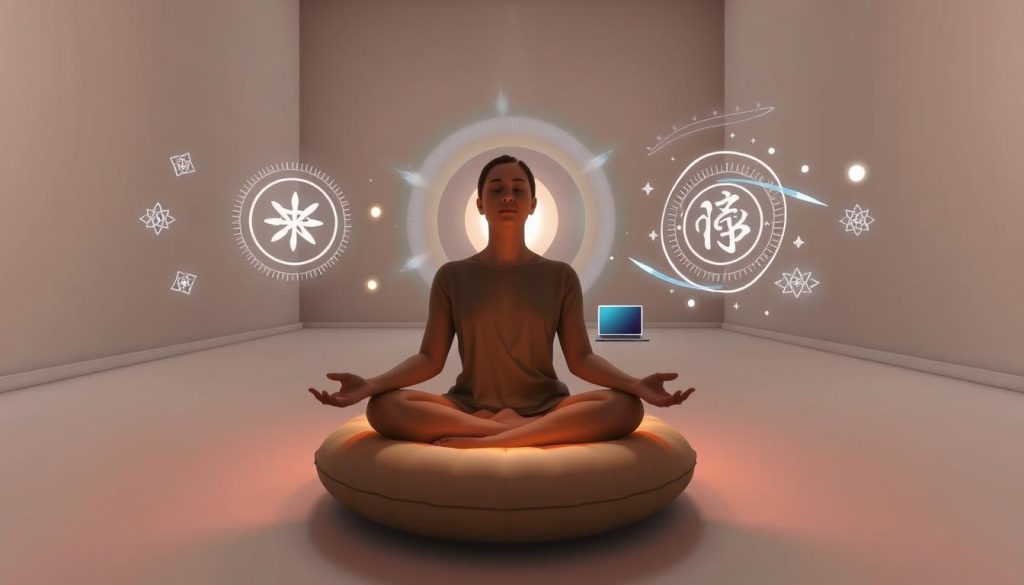
Your path to mastering energy work begins with a choice: immersive retreats or flexible digital learning. Over 400 options exist globally, from weekend intensives in Costa Rica to Duke University’s hybrid model combining live and self-paced affordable online options. Each format shapes your experience differently.
Benefits and Drawbacks of Each Format
In-person sessions excel in hands-on guidance. One student shared, “Feeling the energy shift during attunements with my teacher transformed my practice.” Immediate feedback helps refine techniques like palm placements or sacred symbol tracing. However, travel costs and fixed schedules limit accessibility.
Virtual classes remove geographic barriers. You can study from home while balancing work or family. But technical hiccups—like unstable internet during attunements—require patience. Look for programs offering recorded sessions and 24-hour forum support.
How to Choose Based on Your Needs and Location
Ask yourself: Do I thrive in group settings or solo study? Urban dwellers might prefer local weekend workshops, while rural learners benefit from virtual access. Budget also matters—online courses often cost 30% less than retreats.
Prioritize instructors who adapt their teaching style to your format. For example, Bali-based masters now use 360-degree cameras to demonstrate hand positions, while New York teachers host live Q&As via Zoom. Check if certification requirements match your goals—some employers value in-person hours more.
As Reiki News reports, 62% of practitioners now blend both formats. Start with a virtual foundation, then deepen skills through retreats. Your journey reflects your unique rhythm.
Conclusion
Your journey into energy healing starts with a single step—choosing the right path. Reflect on what matters most: certification credibility, hands-on practice, and mentors who align with your learning style. Programs like Duke Health & Well-Being’s accredited courses show how structured guidance builds confidence.
Remember to compare formats. Weekend classes might suit busy schedules, while immersive retreats deepen connections to the practice. Check syllabi for balance—theory and application should work together like breath and movement.
Ready to begin? Review beginner-friendly options that match your goals. Schedule your first day of study, and complete registration with clarity. Many students find their life shifts unexpectedly—one shared, “This work helped me support others while healing myself.”
Trust your intuition. Whether you pursue Level 1 or advance further, each choice shapes your ability to channel energy effectively. Stay curious, connect with like-minded people, and let your practice evolve organically. The path awaits.
FAQ
What should I prioritize when selecting a teacher?
Look for someone with verified credentials, hands-on experience, and alignment with your learning style. Check reviews or testimonials to gauge their ability to explain concepts clearly and support growth.
How does this practice improve emotional well-being?
Sessions often promote relaxation, helping release tension and balance energy. Many report reduced anxiety, better sleep, and a renewed sense of calm after consistent sessions.
Are virtual classes as effective as in-person ones?
Online formats offer flexibility and accessibility, while in-person sessions provide hands-on guidance. Choose based on your schedule, learning preferences, and access to local instructors.
Why does accreditation matter for certification?
Accredited teacher training programs meet industry standards, ensuring you receive quality education. This recognition can also enhance credibility if you plan to teach or offer professional services.
Can I integrate these techniques into my daily routine?
Absolutely! Simple methods like self-treatment or mindful breathing can be done anywhere. Consistent practice strengthens your connection to the process and deepens its impact.
What ongoing support do top educators provide?
Many offer mentorship, alumni groups, or refresher workshops. These resources help you stay motivated, troubleshoot challenges, and advance your skills over time.
Q: What should I consider when choosing the best reiki certification program?
A: When choosing the best reiki certification program, consider the curriculum, the credentials of the reiki teachers, the duration of the course, and whether it includes practical experience. It’s also important to ensure the program aligns with your goals in reiki practice.
Q: How can I learn about reiki before enrolling in a course?
A: You can learn about reiki by reading books, attending workshops, and exploring reputable online resources. Additionally, subscribing to a free online newsletter can keep you updated on reiki practices and courses.
Q: What is the difference between traditional reiki and modern reiki courses?
A: Traditional reiki courses typically focus on the original teachings and techniques established by Mikao Usui, while modern reiki courses may incorporate various adaptations and new methods. It’s essential to choose the best reiki certification that aligns with your preferences.
Q: What qualifications should a reiki teacher have?
A: A qualified reiki teacher should have completed their own reiki master training and hold a recognized reiki master certification. They should also have experience in teaching and practicing reiki to ensure they can effectively guide students.
Q: Is it necessary to take all levels of reiki training to become a reiki practitioner?
A: While it’s not strictly necessary, completing all levels, including reiki ii and master certification, can enhance your skills and understanding. Each level builds upon the last, providing deeper insights into reiki symbols and healing practices.
Q: How can I verify if a reiki course is credible?
A: To verify the credibility of a reiki course, check if it is recognized by an international center for reiki training or similar organization. Look for reviews from past students and inquire about the teacher’s qualifications and experience.
Q: What should I expect during a reiki certification program?
A: During a reiki certification program, you can expect to learn about the history of reiki, various reiki symbols, hands-on practice, and how to conduct healing sessions. Many programs also include discussions on ethics and professional practices for reiki practitioners.
Q: Can I practice reiki on myself after completing the certification?
A: Yes, after completing your reiki certification, you can practice reiki on yourself. Many practitioners find self-healing to be a vital part of their reiki practice, enhancing their ability to help others.
Q: What are the benefits of becoming a reiki master?
A: Becoming a reiki master allows you to teach and train others in reiki, deepening your own understanding and practice of reiki energy. It also opens up opportunities for personal growth and the ability to facilitate healing on a larger scale.