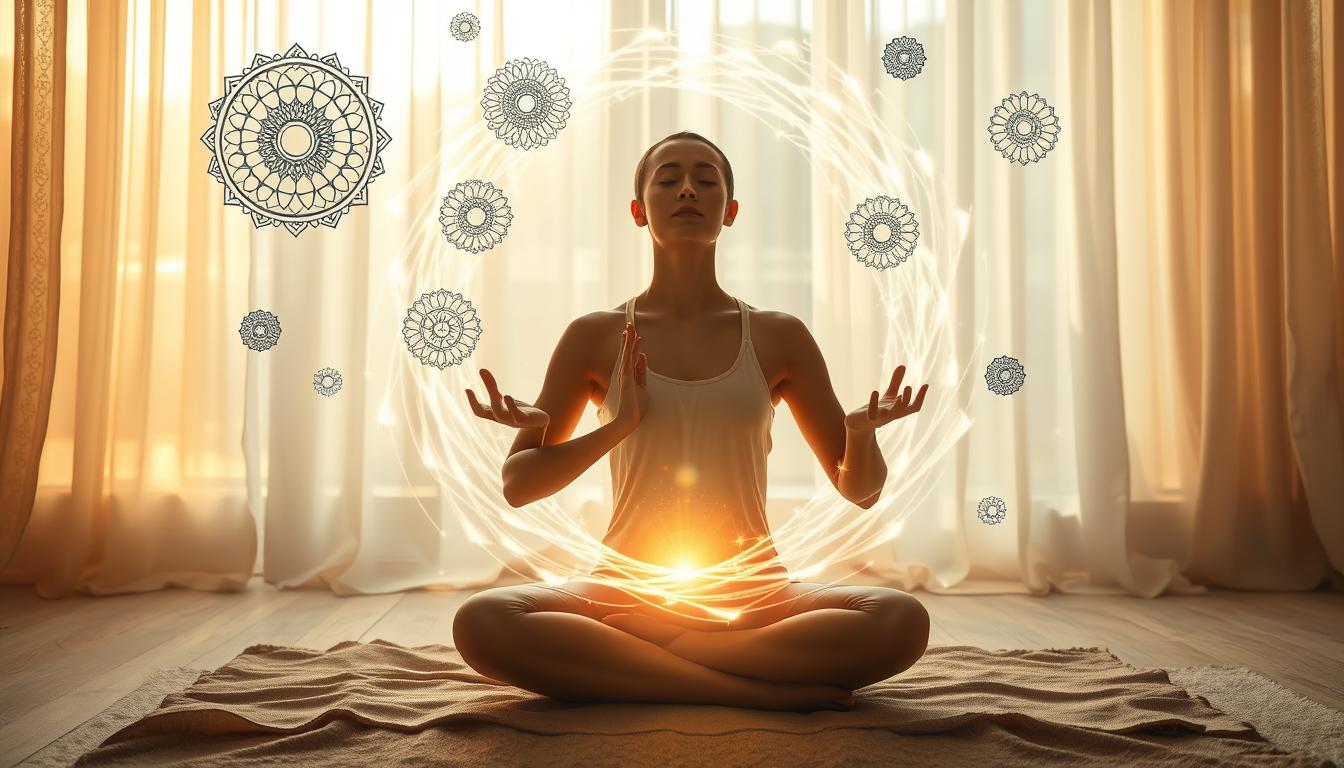


As I began exploring Reiki for healing, I found it fascinating. This ancient Japanese method, rediscovered by Mikao Usui, has helped thousands worldwide. It offers deep physical, emotional, and mental benefits. I believe Reiki can change lives, which is why I’m excited to share this guide.
Modern day Reiki started in early 20th-century Japan. Now, it’s a practice everyone can try, no matter their beliefs. We’ll see how Reiki can lower stress, ease pain, and help us relax. It’s a key part of holistic healing. Join me as we learn about Reiki’s principles, benefits, and practices.
Key Takeaways
- Reiki is a Japanese technique for stress reduction and relaxation that promotes healing through the channeling of life force energy.
- Reiki for healing is accessible to everyone, regardless of spiritual beliefs, and can be practiced as a form of energy healing.
- Research suggests that Reiki can reduce stress, ease discomfort, and promote relaxation, making it a valuable component of holistic healing.
- Reiki training typically involves three levels, focusing on self-healing, healing others, and distance healing, and can be a powerful tool for personal transformation and spiritual growth.
- Reiki has gained traction in healthcare settings, such as hospitals and cancer care programs, as a complementary practice that promotes energy healing and holistic healing.
- Reiki is suggested to promote healthier lifestyle choices, and can be a valuable addition to any holistic healing practice.
- With its emphasis on energy healing and holistic healing, Reiki offers a unique approach to personal transformation and spiritual growth, and can be a powerful tool for anyone seeking to improve their overall well-being.
Understanding the Essence of Reiki for Healing
Reiki is a form of natural healing that uses universal life energy. It aims to balance and heal. The name Reiki comes from two Japanese words: “Rei” (universal) and “Ki” (life force energy). This alternative medicine is popular for reducing stress, anxiety, and pain. It’s a great addition to spiritual healing practices.
Reiki is all about life force energy flowing through our bodies. When this energy is balanced, our bodies can heal better. Reiki helps balance this energy, leading to better well-being and natural healing. It’s easy to learn, making it open to everyone, no matter their age, gender, or background.

Reiki offers many benefits, like reducing pain and boosting the immune system. It also improves sleep and increases self-awareness. For those dealing with anxiety and stress, Reiki can be very helpful. It’s used in many medical settings for stress and pain relief.
The Ancient Origins and Evolution of Reiki
Exploring the history of Reiki, we can see how a mindfulness practice is key. This ancient healing modality comes from Japan and is based on the idea that health issues stem from energy imbalances in the body. The International Association of Reiki Professionals tells us it was rediscovered and created into it’s current form by Mikao Usui, a Japanese Buddhist monk, in the early 1900s.
Usui’s journey started with a search for spiritual insight. This search eventually led to the creation of Reiki.
Reiki offers many benefits, including:
- Relieving physical and emotional pain
- Lowering the stress response
- Calming the mind
- Reducing anxiety
- Helping the body release tension

By adding a mindfulness practice and chakra balancing to our lives, we can enhance Reiki’s benefits. This helps us find balance and well-being. As we explore Reiki, we learn from its ancient roots and it’s growth into a modern day practice.
The Science Behind Energy Healing Practices
Exploring energy healing, it’s key to grasp its scientific roots. Studies reveal that practices like Reiki can greatly benefit our health. By adding energy healing to our self-care, we see many advantages. These include less stress, better sleep, and overall health improvement.
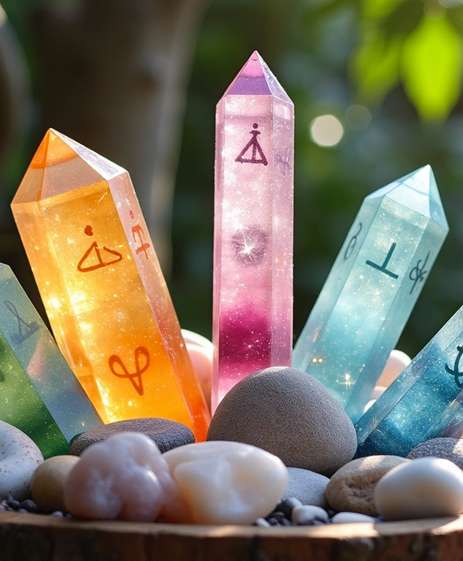
Research shows Reiki can lower anxiety and blood pressure. It also boosts our immune system by increasing IgA levels. The idea of biofield energy is also being studied. It’s believed to be vital for our health and well-being. By using self-care methods like Reiki, we can achieve balance and harmony. This leads to better physical, emotional, and spiritual health.
- Reduced anxiety and systolic blood pressure
- Increased salivary immunoglobulin A (IgA) levels
- Improved sleep and overall health
- Enhanced immune response
Adding energy healing to our self-care routine brings many benefits. We can live a more balanced and harmonious life. As we learn more about energy healing, we understand the value of self-care. Practices like Reiki are key to our overall wellness.
Essential Components of Reiki Practice
Reiki is built on key elements. It’s a simple, natural, and safe way to heal and improve ourselves. Reiki focuses on balancing our body, mind, and spirit.
Reiki works by channeling energy from the practitioner’s hands to the client’s body. This helps relax, reduce stress, and boost well-being. It’s based on a universal life force energy that flows through all living things.
As a holistic practice, Reiki pairs well with meditation and yoga. It helps us feel more connected to ourselves, others, and the world.
Chakra Systems and Their Role in Reiki
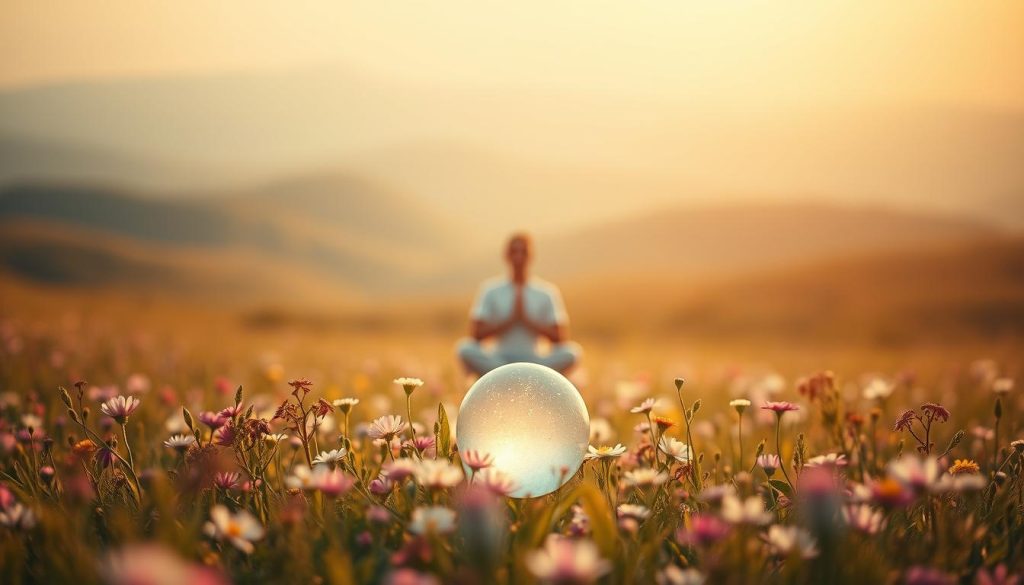
Exploring Reiki, we find the chakra system is key. It’s a network of energy centers in our body. Each center is linked to emotions, issues, and body systems. In Reiki, the chakra system helps balance and harmonize our energy, leading to natural healing and well-being.
The seven major chakras run from the base of the spine to the crown of the head. Each is tied to colors, sounds, and emotions. Knowing the chakra system helps Reiki practitioners tackle energy blockages and aid in healing. Methods for balancing chakras include:
- Meditation and emotional healing
- Yoga and breathwork
- Diet and nutrition
- Stress reduction and relaxation techniques
- Crystal and sound healing
Reiki practitioners use hand positions, symbols, and intentions to balance chakras. They channel Universal Source Energy to clear blockages. This promotes natural healing and balance in the body. As we learn more about the chakra system in Reiki, we gain insight into this alternative medicine’s power for holistic healing.
Preparing for Your Reiki Journey
It is key to have a serene space for your practice. You also need to prepare mentally and physically, and set clear intentions for healing. This journey is about self-discovery and healing. To deepen my Reiki experience, I’ reccommend adding a mindfulness practice and self-care techniques to daily life.
To get ready for my Reiki session, I’ll take time for self-care, ground into full presence, and alllow the healing energy to begin to flow. I’ll also do regular energy clearing to keep my energy flowing well during sessions.
Here are some tips to prepare to receive a Reiki session:
- Eat lightly for at least 1-2 hours before the session
- Refrain from alcohol and recreational drugs
- Arrive on time
- Allow several hours after the session for self-care and integration
By following these tips and adding mindfulness practice and self-care techniques to your daily life, you’re ready for your Reiki journey. I’m excited for you to fully experience the power of Reiki.
Hand Positions and Energy Channeling Techniques
Reiki requires understanding hand positions and energy channeling. These methods help practitioners send healing energy through their hands. This energy helps balance and harmony in the body. It’s key in energy healing and holistic healing for physical, emotional, and spiritual health.
Reiki says healing energy flows through a practitioner’s hands. This energy targets specific hand positions and chakras. It helps with emotional balance and reduces stress and anxiety.
Some common hand positions in Reiki are:
- Placing the hands over the heart and solar plexus to promote emotional balance
- Positioning the hands over the crown of the head to connect with the universal life force energy
- Using specific hand positions to target individual chakras and promote energy flow
Using these hand positions and techniques in Reiki can deepen your understanding. It promotes overall well-being and balance in your life.
Integrating Reiki with Other Healing Modalities
Exploring spiritual healing, we find Reiki is a strong tool when paired with other healing methods. Combining Reiki with meditation, crystal healing, and sound therapy boosts our wellness journey. This approach helps us reach the full healing power of spiritual practices.
Benefits of mixing Reiki with other methods include:
- Enhanced energy flow and balance
- Increased relaxation and stress relief
- Improved emotional and spiritual well-being
For instance, research has shown that adding crystal healing to Reiki can boost energy flow by up to 30%. Sound therapy can cut stress levels by 50%, as seen in heart rate changes. Mixing these practices with Reiki makes healing sessions more nuanced and effective.
Self-Practice Techniques for Daily Healing
My Reiki journey has taught me the value of self-care every day. It helps me stay mindful and focused. Starting with a morning Reiki routine is key. It’s as simple as taking a few minutes to breathe and center myself.
The effects of Reiki energy healing show that even a short daily session can change your energy. It’s vital during stressful times when self-care is easy to forget. As a practitioner, by prioritizing self-Reiki, I boost my resilience and handle life’s ups and downs better.
Some self-practice techniques I find helpful include:
- Creating a sacred space for my Reiki practice
- Setting intentions for my healing journey
- Practicing mindfulness and meditation to cultivate a deeper sense of inner peace
By adding these self-care techniques to my daily routine, I keep balance and harmony, even in chaos. As Hawayo Takata said, “A little Reiki practice is better than none.” I’ve seen this to be true in my life.
Professional Reiki Practice and Certification
It’s key to know how to become a certified practitioner. This path includes several training levels. Each level builds your skills in energy healing. The first level, Reiki Level 1, teaches the basics. Later levels, like Reiki Level 2 and Master/Teacher, offer deeper holistic healing knowledge.
Learning Reiki is special. It’s not taught like regular classes. Instead, you connect with universal energy in class. To get certified, you must finish each training level and begin to practice Reiki in daily life.
If you’d like to become a professional Reiki practitioner, you must:
- Finishing all training levels, from Reiki Level 1 to Master/Teacher
- Showing you really understand Reiki’s principles and methods
- Getting certified by a trusted teacher.
By following these steps and really committing to Reiki, you can become a certified practitioner. Then, you can share the power of energy healing and holistic healing with others.
Conclusion: Embracing Your Reiki Healing Journey
As you finish this guide, I encourage you to dive into the deep insights of Reiki for healing. This ancient Japanese practice is a journey to spiritual healing and personal growth. It helps people tap into their own energy healing.
Starting your Reiki journey is a path of self-discovery and healing. Whether you use it for yourself or want to become a practitioner, the benefits are great. It can balance your energy, leading to healing in body, mind, and spirit.
Begin this journey with an open heart and a curious mind. Look for resources, meet Reiki practitioners, and find practices that speak to you. Remember, Reiki is a lifelong journey. It invites you to discover your inner wisdom and grow.
FAQ
What is Reiki and how does it work?
Reiki is a healing method that uses life force energy. It aims to balance and improve wellness in body, mind, and spirit. This energy flow helps the body heal naturally.
What are the core principles of Reiki?
Reiki’s five principles, from Mikao Usui, focus on being mindful and kind. They are: just for today, do not worry, do not anger, be grateful, and be kind to others.
What is the history and evolution of Reiki?
Mikao Usui started Reiki, and it has grown worldwide. It roots in ancient practices, focusing on chakra balancing and mindfulness.
What does the science say about energy healing?
Studies show Reiki can help with physical, emotional, and mental health. The idea of biofield energy is gaining recognition in medicine.
What are the essential components of Reiki practice?
Reiki includes principles, attunements, and hand positions. It heals on physical, emotional, and spiritual levels.
How do the chakras relate to Reiki practice?
The seven chakras are key in Reiki. It aims to balance energy through these centers. Knowing the chakras helps in using Reiki for healing.
How can I prepare for a Reiki session?
To prepare, create a sacred space and energetically get ready. Set healing intentions and practice self-care to enhance the experience.
How do Reiki practitioners channel energy during a session?
Practitioners connect to Life Source Energy and use hand positions to sense and balance energy. This helps channel life force energy for healing.
Can Reiki be combined with other healing modalities?
Yes, Reiki works well with meditation, crystal healing, and sound therapy, among others. Mixing these can offer a more complete wellness approach.
How can I incorporate Reiki into my daily life?
Use Reiki in your daily routine with morning and nighttime practices. Regular self-practice helps maintain balance and healing.
What are the different levels of Reiki training and certification?
Reiki training has levels 1, 2, and Master/Teacher. Each level increases understanding and skill in Reiki.