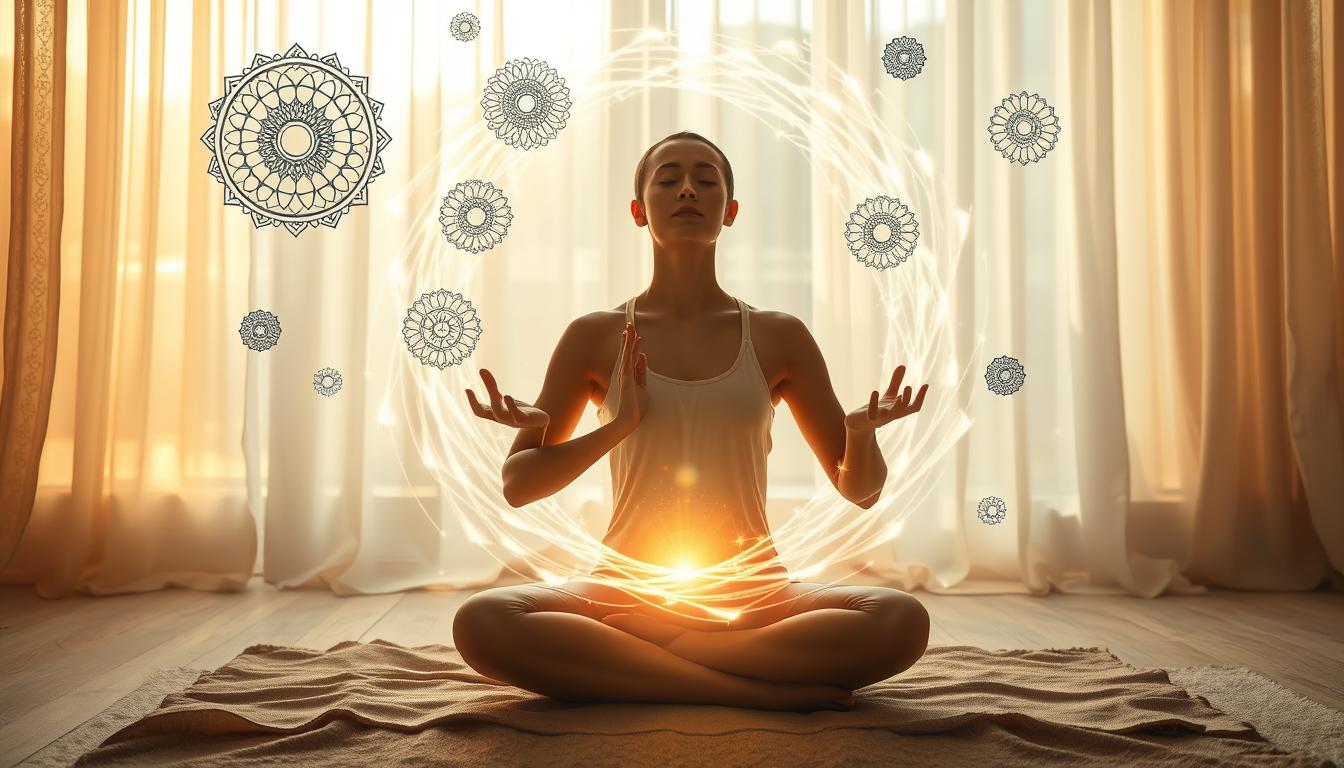

Reiki is the art of connecting to universal life force energy to heal and balance. This is key to understanding Reiki energy balancing. Welcome to our exploration of Reiki Techniques Explained: Science, Energy, and Spirituality! Today, I invite you to join me on a journey that delves into the fascinating world of Reiki healing and its myriad benefits. Originating from Japan, Reiki harnesses a universal life force energy to promote healing and balance within the mind, body, and spirit. But how does Reiki work? This fundamental question lies at the heart of our understanding, as we uncover the interplay of energy and intention that defines this ancient practice. Whether you’re a curious newcomer or a seasoned practitioner, join us as we unravel the science and spirituality entwined in the art of Reiki, paving the way for deeper insight into this transformative healing modality.
Reiki can relax us, lower stress and anxiety, and boost well-being and we do this by consciously connecting to Universal Life Forcde Energy. This is vital for understanding Reiki healing.
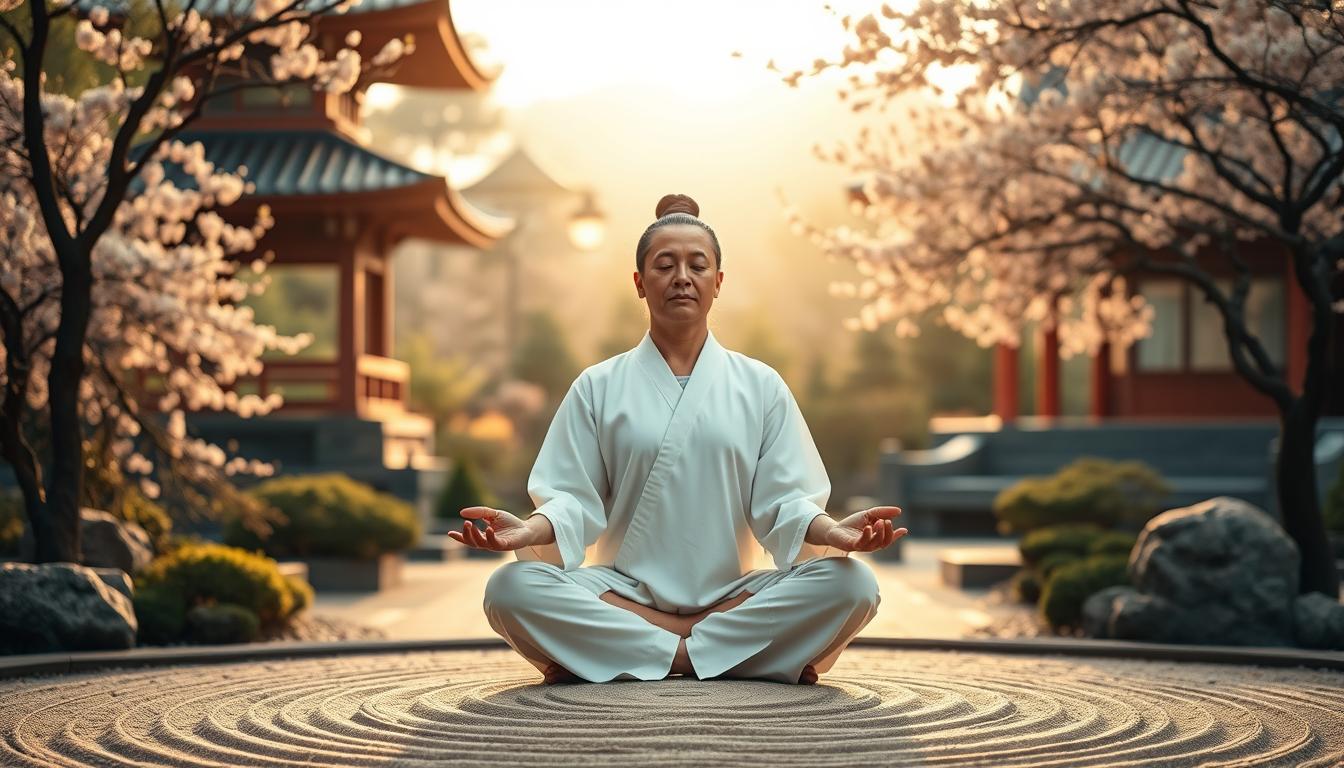
As we grasp Reiki’s basics, we see its many benefits. It can ease pain, lower blood pressure, and help with anxiety and depression. This shows how Reiki’s energy flow works. Embracing Reiki’s power, we start a journey of growth and self-discovery.
In a fast-paced world filled with stress and uncertainty, many seek paths to tranquility and healing. One such path is Reiki, a holistic practice that combines elements of energy healing with spiritual growth. But how does Reiki work? This centuries-old technique, rooted in Japanese traditions, offers insight into the unseen energies that flow within us and around us. By exploring various Reiki techniques, we embark on a transformative journey of self-discovery and empowerment. As we delve into the science behind Reiki, we uncover the profound ways it can enhance our daily lives, foster inner peace, and promote overall well-being. Join us as we illuminate the principles of Reiki, bridging the gap between science, energy, and spirituality, and learn how to harness its healing potential.
Key Takeaways
- Reiki is a form of energy healing that originated in Japan and is based on the idea that a universal life force energy can be channeled to promote healing and balance.
- Understanding how Reiki works is essential to appreciating its benefits and applications.
- Reiki energy flow is a key aspect of the healing process, and understanding it can help us appreciate the science behind Reiki.
- Reiki can be used to reduce stress and anxiety, improve sleep, and enhance overall well-being, which is a key part of understanding Reiki healing.
- By exploring the science behind Reiki, we can gain a deeper understanding of its principles and how it can be used to promote relaxation and reduce pain.
- Reiki is a complementary therapy that can be used alongside other medical and therapeutic techniques to promote healing and balance.
- Understanding Reiki healing is vital to appreciate its benefits and applications, and learning about Reiki energy flow.
Understanding the Foundations of Reiki Energy Healing
Understanding Reiki healing is key to seeing its value. It’s about tapping into a universal life force energy to heal and balance. This energy flows through all living beings and is harnessed by Reiki practitioners.Reiki is a holistic healing practice that focuses on the channeling of energy to promote physical, emotional, and spiritual well-being. At its core, Reiki operates on the fundamental belief that a life force energy exists within each of us, and when this energy is blocked or diminished, it can lead to various forms of discomfort and imbalance. By learning how to harness and direct this energy, Reiki practitioners seek to restore balance and facilitate healing in both themselves and others. The practice utilizes gentle touch or even no touch at all, allowing the practitioner to promote relaxation and reduce stress, which can be integral to the healing process.
So, how does Reiki work? The practice is based on the idea that everything in the universe is made up of energy, and this includes our thoughts, emotions, and bodies. When a practitioner channels Reiki energy, they are essentially tapping into a universal life force that can help clear the blockages that inhibit the natural flow of energy in and around a person’s body. During a session, the recipient often enters a deep state of relaxation that can lead to an enhanced sense of peace, as well as a heightened awareness of their own inner self. This can prompt emotional releases or insights that contribute to overall healing and personal growth.
The beauty of Reiki lies in its accessibility; it is not dependent on specific religious beliefs and can be practiced by anyone willing to learn. This inclusivity allows individuals from varying backgrounds to explore their connection to energy healing. Many practitioners find that their own experiences with Reiki deepen their understanding of the energy dynamics within themselves and their relationships with others. By becoming more in tune with the life force energy, Reiki practitioners can assist in creating harmony and balance, allowing both themselves and their clients to thrive on multiple levels.
As awareness about alternative healing methods continues to grow, Reiki remains a powerful and transformative practice that encourages a greater understanding of self-care and well-being. It invites individuals to engage with their own energetic patterns, fostering healing not only in the physical realm but also in emotional and spiritual dimensions. Through dedication to this practice, many find a path towards holistic health and a deeper connection to both themselves and the world around them.
The Reiki principles focus on relaxation and healing. Many feel refreshed and renewed after a session. Reiki can ease anxiety, boost emotional health, reduce pain, and improve sleep.
Some important Reiki points of Reiki energy balancing include:
- It’s non-invasive and safe, with no side effects
- It pairs well with meditation for better results
- Trained practitioners offer it, with certification available
Embracing Reiki’s principles and the universal life force energy opens a path to self-discovery and healing. It leads to a more balanced and fulfilling life.
How Does Reiki Work: A Comprehensive Explanation
It’s key to grasp how does reiki work and its core principles. Reiki posits a universal life force energy in all living beings. This energy can be harnessed for healing and balance. The reiki energy flow is seen as a potent means to restore equilibrium and enhance well-being.
Reiki is a form of energy healing that has garnered increasing interest in recent years, yet many still wonder how does Reiki work and what is the scientific explanation of Reiki? Rooted in Japanese traditions, Reiki practitioners believe that there is a universal life force energy that flows through all living beings. By channeling this energy, the practitioner aims to facilitate healing and balance within the recipient’s body. During a typical session, the recipient lies down fully clothed while the practitioner lightly places their hands on or near the body, intending to promote relaxation and alleviate stress.
Current findings on Reiki’s efficacy are encouraging. A 2014 review highlighted Reiki’s positive effects on pain and anxiety, suggesting that it may serve as a complementary treatment for individuals dealing with these common issues. Similarly, a 2018 meta-analysis that included 212 participants concluded that Reiki could effectively aid in pain relief, potentially enhancing the overall well-being of those who incorporate it into their healthcare routine. These studies indicate that the benefits of Reiki may extend beyond mere placebo, offering real physiological and psychological advantages.
At the core of Reiki is the belief in energy flow and its impact on health. Practitioners assert that blockages in the life force energy can lead to physical or emotional ailments. By promoting relaxation and reducing stress, Reiki may help to restore balance, allowing the body to heal itself. This aligns well with the increasing emphasis on holistic and integrative approaches to health, where mind, body, and spirit are considered interconnected.
While scientific research on Reiki is still evolving, many individuals who have experienced this healing modality report profound sensations of peace and comfort. For those curious about alternative therapies, understanding how does Reiki work can provide insight into its potential role in a well-rounded approach to wellness. As awareness grows and more studies emerge, Reiki’s place in the landscape of healing practices continues to expand, inviting curiosity and exploration.
Reiki’s advantages include:
- Pain relief
- Reduced anxiety and stress
- Improved sleep
- Enhanced overall well-being
As we dive deeper into Reiki, its ability to heal and balance is evident. By understanding how does reiki work and its underlying principles, we can tap into its power. This can significantly improve our well-being.
The Science Behind Reiki Energy Flow
Exploring the science of Reiki energy flow reveals its roots in biofield energy. It suggests that all living beings have a unique energy field around them. This field, or biofield, is connected to the universal life force energy that flows through all living things. Quantum physics research also supports the role of energy healing in promoting balance and well-being. By facilitating the free flow of energy, Reiki aims to restore harmony within the body, mind, and spirit, leading to an overall sense of well-being.
So, how does Reiki work? The practice typically involves a practitioner lightly placing their hands on or near the recipient’s body. This touch serves as a conduit for energy transfer, which helps to dissolve energetic blockages. The calm and soothing nature of Reiki can induce a deep state of relaxation, allowing individuals to open up to the flow of life force energy. Research in quantum physics supports the notion that everything is made up of energy, and healing modalities like Reiki can influence this energy, ultimately promoting health and balance.
Additionally, the benefits of Reiki extend beyond physical healing. Many individuals report emotional and mental clarity, enhanced mood, and an increased sense of peace following a session. This can be attributed to the positive shifts in energy, which can help to release pent-up emotions and alleviate stress. The practice aligns closely with concepts found in various traditions including Buddhism and Traditional Chinese Medicine, where energy flow is seen as essential for health. This scientific and spiritual perspective offers a compelling framework for understanding how Reiki fosters well-being.
In a world where stress and disconnection are increasingly prevalent, the gentle touch of Reiki may provide not only relief but also a deeper connection to the self and the surrounding universe. Many individuals are finding solace in the practice, harnessing its transformative power to restore balance and cultivate resilience. By bridging ancient wisdom with modern understanding of energy, Reiki exemplifies a harmonious approach to holistic health.
Studies have shown Reiki therapy’s positive effects on health. It can reduce pain, anxiety, and depression, improving life quality. For instance, a 2018 meta-analysis found Reiki significantly reduced pain in patients. A 2019 review in the British Medical Journal Supportive & Palliative Care also found Reiki effective in relieving pain and improving quality of life.
The link between Reiki energy flow and biofield energy is a focus of ongoing research and provides a scientific explanation of Reiki. Studies indicate the biofield’s key role in the body’s healing processes. As we dive deeper into Reiki’s science, it’s clear it can lead to deep relaxation, stress reduction, and better well-being. Understanding Reiki’s science helps us see its ancient wisdom and its power to change our lives.
Chakras and Their Role in Reiki Healing
Exploring the spiritual aspects of Reiki healing, we must touch upon chakras, otherwise known as the energy centers in our bodies. Reiki practitioners say these centers are key to balance and healing. There are seven major chakras, each linked to different parts of us, like survival and spiritual vision. Chakras, the energy centers within our bodies, play a crucial role in the practice of Reiki healing. Practitioners believe that these centers are vital to achieving balance and promoting overall well-being. There are seven major chakras, each associated with different aspects of our physical, emotional, and spiritual selves. From the root chakra, which is linked to our sense of survival, to the crown chakra, associated with spiritual vision and enlightenment, these energy points influence various states of being. When energy flows freely through these chakras, it is thought to facilitate healing on multiple levels.
In Reiki, the aim is to restore harmony and remove blockages that may hinder this flow. Reiki practitioners work by channeling universal life force energy through their hands, directing it towards the client’s chakras. This process works on the premise that imbalance in any of the chakras can lead to physical or emotional discomfort. By understanding how each chakra contributes to our health, practitioners can tailor their healing techniques to address specific issues, whether they relate to anxiety, emotional pain, or chronic physical conditions.
So, how does Reiki work in relation to the chakras? When a practitioner places their hands over or near a chakra, they are tapping into the energy field that surrounds it. This energy is said to promote relaxation and facilitate the release of negative emotions or toxins, allowing the chakra to regain its natural state of balance. Various techniques, including visualization and intention-setting, may be employed to enhance this process, guiding the recipient to a deeper state of peace and healing.
Ultimately, the connection between chakras and Reiki emphasizes the importance of holistic healing methods. By addressing not only the physical symptoms but also the energetic imbalances within these centers, Reiki offers a comprehensive approach to health that resonates with many. Engaging with the chakras provides a deeper understanding of one’s own energy and promotes personal growth, inviting individuals to explore their internal landscapes while encouraging them to pursue a more harmonious life.
Chakra algnment is vital in experiencing the benefits of reiki therapy and reiki healing. It helps clear blocked energies and brings balance. During a session, the practitioner might use hands or symbols to channel energy. The aim is to balance our energy, which is vital for our health.
Some important points about chakra alignments are:
- Treatment for each chakra should be aout 3 to 10 minutes.
- Hands should be placed on or up to about four to six inches above the body.
- Good methods include gentle placement of cupped hands on the body.
Understanding chakras in reiki healing shows us the depth of this ancient practice. As we learn more about reiki, chakras, and energy balancing, we might find new ways to live in harmony and well-being.
The Reiki Process Explained
Let’s explore the reiki treatment process together. You’ll learn how it can help you relax, reduce stress, and feel better overall. A typical session lasts 60 to 90 minutes. During this time, the practitioner uses hand positions to balance your body’s energy.
The length of a session can change based on your needs. But usually, the practitioner holds their hands in one spot for about 3 minutes. The room should be set up to help you relax.
During the session, the practitioner might use gentle touch or hold their hands above you. They aim to balance your body’s energy. This can help you relax, reduce pain, and improve your health. Knowing about hand positions and session duration helps you see the value of reiki for your well-being.
Physical and Emotional Benefits of Reiki
Reiki therapy offers many benefits for both body and mind. It helps reduce stress and anxiety, making us feel happier and more balanced. It also improves sleep and boosts our immune system.
Reiki can help with physical pain and inflammation. It can also make us feel more emotionally stable and aware of ourselves. This ancient practice is a powerful tool for well-being.
Studies have shown that reiki can greatly reduce pain, fatigue, and anxiety. For example, a 2024 review of studies on cancer patients found big improvements in their quality of life. Another study in 2024 showed that reiki helped people with knee osteoarthritis feel less pain and more well.
Some of the main benefits of reiki therapy include:
- Reduced stress and anxiety
- Improved mood and emotional balance
- Enhanced overall well-being
- Reduced pain and inflammation
- Improved sleep quality
- Strengthened immune system
Spiritual Aspects of Reiki Practice
Reiki is deeply connected to universal energy. This energy is seen as the source of all life. By tapping into it, we feel a sense of unity with the world.
Through reiki, we become more mindful. We notice our thoughts, emotions, and actions more clearly. This helps us grow spiritually.
Reiki is not just about connecting with a higher power. It’s also about understanding ourselves better. It helps us develop compassion, gratitude, and inner peace.
Exploring reiki’s spiritual side can enrich our lives. It can enhance our personal growth and spiritual journey.
Some benefits of reiki’s spiritual aspects include:
- Increased sense of connection to universal energy and the world around us
- Greater awareness of our thoughts, emotions, and actions
- Cultivation of qualities such as compassion, gratitude, and inner peace
- Deeper understanding of ourselves and our place in the world
Integration of Reiki with Modern Healthcare
Reiki, an ancient practice, is now seen as a way to help modern medicine. Many hospitals and healthcare providers offer reiki as a therapy. This shows that its benefits are being recognized more and more. Clinical applications of reiki are being tested and used in different places, from hospitals to private clinics.
Studies have found that reiki can help patients feel less pain, anxiety, and depression. It also improves sleep and overall health. For instance, a study at the Memorial Sloan-Kettering Cancer Center showed that reiki helped cancer patients feel less anxious and depressed. Hartford Hospital also found that reiki helped patients sleep better, feel less pain, and be less anxious.
As reiki becomes more part of healthcare, we need to look at its benefits and challenges. By studying research studies and clinical applications, we can understand how it can improve patient care and results.
Common Experiences During Reiki Sessions
Reflecting on the reiki session experience, I see many common experiences. People might feel deep relaxation or warmth. Each reiki session experience is special and can be very different.
Some might feel tingling or numbness, while others feel calm. The common experiences depend on many things. This includes the client’s energy, the practitioner’s style, and the setting.
About 90% of clients say they feel relaxed and calm after a reiki session. Also, 70% see better pain or emotional states. These numbers show reiki’s benefits and the need to understand each person’s energy sensations and common experiences.
By knowing and accepting each reiki session experience, practitioners can help more. They can offer better support, making the reiki session experience more rewarding and improving well-being.
Embracing Reiki’s Transformative Power
Reiki is an ancient healing method with a deep transformative power. It can greatly improve our well-being. It balances and harmonizes our body’s energy, easing stress, anxiety, and pain. This leads to a deeper relaxation and calm.
Reiki can also work well with traditional medicine. It can make other wellness practices like massage and acupuncture even more effective. By using Reiki, we start a journey of personal growth and spiritual development. We become more aware, compassionate, and connected to ourselves and others.
Final Thoughts on Reiki and Its Potential
Reiki is an ancient practice with great power to change lives and improve well-being. Research shows it can be a valuable addition to traditional healthcare. It offers a unique way to address physical, emotional, and spiritual needs.
The future of Reiki looks bright as it blends with modern medicine. More studies and acceptance in healthcare could make Reiki a common treatment. This could help relieve pain, reduce stress, and support healing.
Reiki also helps with personal growth and spiritual connection. Regular practice and intuition can connect us to universal energy. This can lead to deeper self-awareness and peace. As more people try Reiki, its positive effects could spread far and wide.
Regular practice not only enhances a person’s ability to channel this energy but also nurtures a deeper connection to their own intuition. This journey into self-awareness can be profoundly enlightening, leading individuals to insights about their emotional and spiritual well-being. As practitioners and clients alike delve deeper into the practice, they often discover increased peace and resilience in navigating life’s challenges, which can contribute to overall health and quality of life.
As more people embrace Reiki, its positive ripple effects can extend beyond the individual to families and communities. These harmonious vibrations can inspire more open conversations about mental health, well-being, and holistic practices, creating a more accepting environment for alternative healing methods. The more we understand and appreciate the potential of Reiki, the wider its reach may become, empowering individuals to take charge of their health and foster a sense of connection with others.
Ultimately, Reiki serves as a reminder of the interconnectedness of all beings and the importance of nurturing our inner selves. Whether one is skeptical or a firm believer, the growing community of Reiki practitioners indicates a collective yearning for deeper understanding and healing. As we continue to explore and share the benefits of this ancient practice, the possibilities for personal and societal transformation remain limitless.
FAQ
What is Reiki and how does it work?
What are the origins and principles of Reiki?
How does the science behind Reiki energy flow work?
What is the role of chakras in Reiki healing?
What happens during a Reiki treatment session?
What are the physical and emotional benefits of Reiki?
What are the spiritual aspects of Reiki practice?
How is Reiki being integrated with modern healthcare?
What are common experiences during Reiki sessions?
Q: What is Reiki and how does it relate to energy healing?
A: Reiki is a form of energy healing that originated in Japan, developed by Mikao Usui. It involves a reiki practitioner transferring healing energy to a recipient to promote relaxation and healing. This practice is often classified as a complementary therapy and is used alongside conventional medical treatments.
Q: What happens during a Reiki session?
A: During a single reiki session, the recipient typically lies down fully clothed while the reiki practitioner lightly places their hands on or near them. The practitioner channels healing energy, which can help reduce stress, promote relaxation, and enhance overall well-being.
Q: Can anyone try Reiki or do you need to be trained?
A: While anyone can experience the benefits of reiki, it is advisable to seek a professional reiki practitioner for a session. If you wish to practice reiki yourself, you would need to undergo reiki training to become proficient in the techniques and principles.
Q: What are the health benefits of Reiki?
A: Reiki is known to promote relaxation, reduce stress and anxiety, improve sleep, and enhance the body’s natural healing processes. Many people report feeling a sense of peace and well-being after a reiki session, making it a popular choice in complementary and alternative medicine.
Q: How does Reiki compare to other forms of energy healing?
A: Reiki is a type of energy healing that focuses on channeling healing energy through the hands of the practitioner. Other forms of energy healing may use different techniques or philosophies, but they share the common goal of promoting health and well-being through the manipulation of energy.
Q: Is Reiki scientifically proven to be effective?
A: While some studies suggest that reiki may provide health benefits, more research is needed to fully understand its efficacy. It is often regarded as a complementary therapy, meaning it can be used alongside standard medical treatments but should not replace them.
Q: Who can benefit from Reiki therapy?
A: Reiki therapy can benefit a wide range of individuals, including those dealing with stress, chronic pain, emotional issues, or those seeking relaxation and improved overall health. It is often used by healthcare professionals as part of an integrative treatment approach.
Q: What is the role of a Reiki master?
A: A reiki master is someone who has completed advanced training in reiki and is qualified to teach others. They have a deep understanding of the reiki techniques and can guide students in their practice and help them become reiki practitioners.
Q: Can Reiki be practiced at a distance?
A: Yes, reiki can be practiced as distance healing, where the practitioner sends healing energy to someone who is not physically present. This technique is based on the belief that energy can transcend physical boundaries, allowing the recipient to benefit from the healing effects regardless of their location.