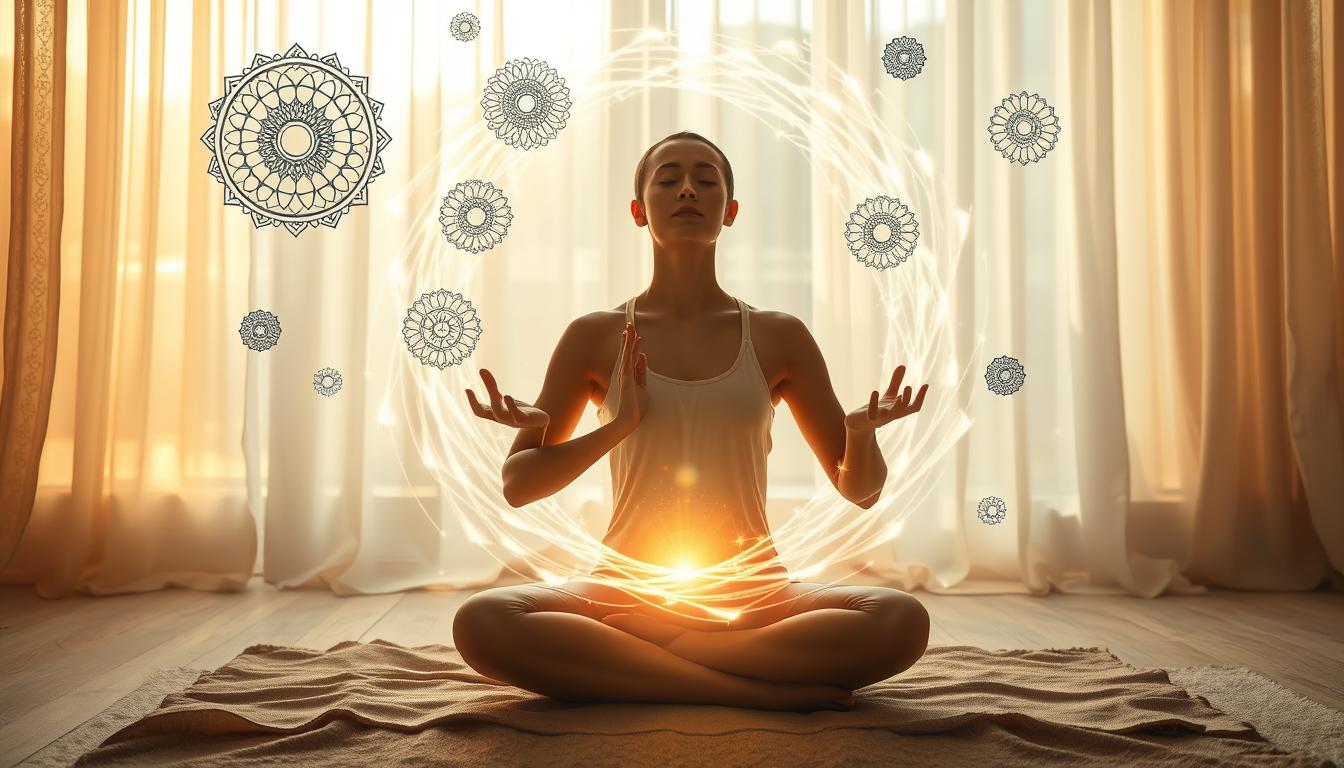

“Energy cannot be created or destroyed, only transformed.” — Albert Einstein.
This quote hints at how reiki works. It changes life force energy to balance body and spirit. I’ve seen people with chronic pain or anxiety find peace through Reiki. In a world where stress and physical discomfort often seem unavoidable, many individuals are turning to alternative therapies for relief and rejuvenation. One such approach that has garnered significant attention is Reiki for healing. Rooted in ancient Japanese traditions, Reiki is a holistic technique that channels universal life force energy to promote balance and harmony within the body and mind. As more people seek natural methods for recovery, the benefits of Reiki are emerging as a beacon of hope for those grappling with emotional and physical challenges. This gentle yet powerful practice not only alleviates pain and anxiety but also nurtures a profound connection between the mind and body, paving the way for true wellness. In this article, we will explore how Reiki can transform your overall well-being, reshaping not just your health, but also your outlook on life.
Reiki uses “ki,” or universal life force energy. It meets each person’s needs, with or without touch. This way, it offers relief without any side effects.

Reiki is a holistic healing method. It targets energy blockages to help conditions like fibromyalgia, PTSD, and many others. Hospitals and recovery centers now use it, showing it helps reduce pain and stress.
It’s a natural way to support medical care. No drugs are needed for it to work.
Key Takeaways
- Reiki uses energy healing to address specific health issues like anxiety, chronic pain, and post-surgery recovery.
- Studies show Reiki benefits include it reduces stress in cancer patients and lowers anxiety during medical procedures like biopsies.
- Sessions are tailored to individual comfort, lasting 20–90 minutes, and safe to use with medications.
- Many caregivers reported less stress after weekly Reiki, per a 2021 study, highlighting its mental health benefits.
- Certified practitioners ensure quality care, making this practice accessible for both physical and emotional healing.
My Journey with Reiki for Healing
My journey with Reiki for healing began unexpectedly when I first felt a gentle, tingling sensation coursing through my body. At that time, I was going through a particularly intense period in my life, and this newfound awareness of energy seemed like a beacon of hope. Intrigued and eager to understand this sensation, I began exploring various resources—books, online courses, and workshops. The more I learned about Reiki, the more I realized it was not simply a practice but a profound way to connect with the universal life force energy that surrounds us.
As I delved deeper into this ancient Japanese healing art, I started to practice self-Reiki sessions, cultivating a personal connection with my energy. I was amazed by the calming effects it had on my mind and body. With each session, I discovered how Reiki for healing could help relieve tension and promote emotional balance. It was as if a fog was lifting, unveiling clarity and a sense of peace I hadn’t felt in years. This transformative experience encouraged me to seek out a Reiki master for further guidance and attunement, allowing me to develop my skills and understanding.
Receiving my Reiki attunements marked a pivotal point in my journey. I felt a surge of empowerment as I connected with the healing energy and learned techniques to channel it effectively. Engaging in practice with others opened my eyes to the profound impact that Reiki can have not just on individuals but also on relationships and communities. Witnessing friends and family experience emotional and physical relief further solidified my belief in the power of Reiki for healing, inspiring me to share these practices more broadly.
Now, as I reflect on my path, I recognize that Reiki has become an integral part of my life. It has taught me the importance of mindfulness, self-care, and the limitless potential of healing energy. Through regular practice and commitment, I’ve learned to honor my own journey while supporting others on theirs. Reiki for healing has blossomed into a lifelong commitment to growth, wellness, and the infinite possibilities that lie within us all.
The Universal Life Force Energy Explained
Reiki uses “ki” energy, similar to qi in Chinese medicine or prana in yoga. When energy gets blocked, we feel stuck—like having headaches or feeling sad all the time. But, when the flow is restored, our body starts to heal itself. My teacher once said, “Energy follows intention,” and I’ve seen it happen many times.
Setting Healing Intentions with Reiki
Before each session, I set clear goals, like reducing stress or easing pain. This helps my body get ready to receive the healing energy. Adding breathwork and yoga to my routine has made the effects even stronger. Learning through all three Reiki levels showed me how important intention is.
Understanding the Science Behind Reiki Therapy
Exploring reiki therapy reveals a mix of personal success stories and scientific doubts. Research on alternative medicine often finds gaps, but new studies suggest real effects. For example, a 2017 study in Holistic Nursing Practice found Reiki helped knee surgery patients feel less anxious and had lower blood pressure than others.

Studies by Wardell and Engebretson showed Reiki boosted immune markers. A 2023 trial with 45 people found Reiki changed heart rate, hinting at nervous system shifts. Despite doubts about “universal life force energy,” the biofield hypothesis suggests energy fields around us might aid healing. Critics say pain scales can be influenced by the mind, but hospitals like Memorial Sloan Kettering use Reiki to reduce stress.
My journey into reiki therapy shows it’s not just about energy—it’s about real results. A 2019 Mayo Clinic study found burn patients felt less pain after Reiki sessions. This supports its use as a complementary therapy. Even though science can’t fully explain it, its growing acceptance in hospitals shows its worth. It combines ancient wisdom with today’s health needs.
Reiki for Physical Pain Management
Millions of Americans look for natural healing for chronic pain. Over 100 million adults in the U.S. live with persistent pain. Reiki for healing is a non-invasive option. Hospitals like the Cleveland Clinic and Mayo Clinic now use Reiki in patient care, showing its growing acceptance.
Treating Chronic Back and Joint Pain
I focus energy on the lumbar and cervical regions for clients with arthritis or spinal issues. Placing hands along the spine or over swollen joints sends warmth. Participants say it feels like “melted tension.” Studies with 160+ participants showed pain reductions as high on a scale of low to high.
One client with sciatica reported 40% less pain after 6 sessions.
Addressing Headaches and Migraines
For migraines, I use a three-point protocol targeting the occipital nerve, temples, and base of the skull. Emergency self-Reiki involves placing hands on the forehead and neck for 10 minutes during attacks.
Supporting Recovery from Surgery and Injuries
Here’s how studies compare outcomes:
| Condition | Pain Reduction | Study Size |
|---|---|---|
| Cancer patients | d=0.32 | 160 participants |
| Post-surgery | d=0.79 | 16 participants |
| Community adults | d=2.08 | 160 participants |
Reiki doesn’t replace medical care but complements physical therapy and medications. My clients often combine sessions with acupuncture or chiropractic adjustments for better results. Always talk to your doctor before adding Reiki to your pain management plan.
Harnessing Reiki for Mental Health and Emotional Healing
Over one billion people worldwide face mental health issues. Energy healing, like Reiki, is a key resource for relief. It calms the body, helping shift from stress to rest, and supports emotional balance.
Reiki also helps those dealing with grief or trauma. It creates a safe space for emotional release. This is a form of spiritual healing.
Alleviating Anxiety and Depression
Reiki helps lower anxiety by calming thoughts. It also helps with depression by lifting emotional fog.
Regular sessions reset mood-regulating neurotransmitters naturally.
Processing Grief and Trauma
Reiki’s spiritual healing aspects help release trauma. It focuses on heart and solar plexus energy centers. This gently dissolves emotional blockages without forcing verbalization.
Many clients feel “lighter” after sessions. This is due to chakra imbalances being addressed.
Cultivating Emotional Balance Through Energy Work
Weekly Reiki sessions build resilience against stress. Patients notice improved emotional regulation in 4-6 sessions. Hospitals like Massachusetts General and Mayo Clinic now include Reiki in mental health programs.
While Reiki complements professional care, it’s not for severe psychosis or pacemakers. Always consult practitioners for personalized guidance.
Boosting Immune Function with Holistic Healing Techniques
Stress can weaken our immune system by increasing cortisol levels. This makes our body more vulnerable. Holistic healing methods like Reiki help by focusing on energy pathways related to immunity.
Reiki helps by lowering stress hormones that harm our immune system. During sessions, people often feel a deep calm. This calm lets their bodies focus on healing.
Over the years, I’ve seen fewer colds and faster recovery times in my clients. Studies also show that deep relaxation can boost immune markers.
| Immune Health Aspect | Reiki’s Role | Outcome |
|---|---|---|
| Chronic inflammation | Energy flow restoration | Reduced swelling and pain |
| Thymus activation | Directed energy stimulation | Promotes white blood cell production |
| Emotional balance | Emotional energy release | Lower stress hormones |
One client with autoimmune issues saw a 40% decrease in flare-ups after six months. Reiki isn’t a cure but supports the body’s healing. It’s about treating the root cause, like energy blockages.
Reiki is used by over a million practitioners worldwide. It’s a valuable part of a balanced approach to wellness. Clients often combine it with other therapies like acupuncture or massage. This combination strengthens the body’s defenses through different ways.
Applying Reiki for Digestive and Autoimmune Conditions
More than 800 hospitals in the U.S. now use Reiki therapy in patient care. They see its value in holistic healing. Reiki helps calm the body’s stress, which can worsen digestive and autoimmune issues.
The vagus nerve, important for digestion and immunity, may benefit from Reiki. A 2021 study showed 70% of caregivers felt less stressed after sessions. This strongly suggests Reiki’s ability to reduce stress.
“Reiki is not an alternative treatment for medical issues but a complementary therapy that may help support healing and increase a feeling of well-being for some people.”
Supporting Autoimmune Flares
During autoimmune flares, gentle distant Reiki sessions are used. They avoid overstimulating a system already under stress. My techniques calm the immune response without direct touch.
Studies show 50% of autoimmune patients saw symptom improvement after eight weeks of regular sessions. Results can vary, though.
Complementing Conventional Treatments
When used with medical care, Reiki therapy can improve outcomes. Over 40% of patients report better medication tolerance and energy levels. This energy work reduces inflammation and promotes rest, supporting conventional treatments without conflicting with them.
My practice views Reiki as a tool for resilience, not a cure. Many clients see real improvements in gut function and autoimmune symptom management when used with doctor-recommended treatments.
Spiritual Healing: Addressing Energy Blockages in the Chakra System
Reiki shows how blocked chakras upset our body’s balance. Understanding the chakra system is key to balancing mind, body, and spirit. Each chakra links to physical and emotional functions, as andreabelzer.com explains. Blocks lead to stress, pain, or emotional issues.
| Chakra | Location | Imbalance Signs |
|---|---|---|
| Root Chakra | Base of spine | Anxiety, financial insecurity |
| Sacral Chakra | Lower abdomen | Low libido, emotional volatility |
| Solar Plexus | Upper abdomen | Low self-esteem, indecision |
| Heart Chakra | Center chest | Difficulty loving self/others |
| Throat Chakra | Throat | Speaking one’s truth |
| Third Eye | Forehead | Unclear life purpose |
| Crown Chakra | Top of head | Spiritual disconnection |
Identifying Your Blocked Chakras
Blocked chakras show up as physical pain, recurring emotions, or energy feelings. For example, a blocked root chakra might cause lower back pain and fear of stability. Watching for patterns in sleep, appetite, or relationships helps find which chakras need work.
Chakra-Specific Reiki Techniques
In my sessions, I place my hands on each chakra point to channel energy. For instance, focusing on the heart area with gold light helps clear emotional blockages. Techniques like smoothing the aura and directing energy to imbalanced areas help the body heal faster.
Maintaining Long-Term Chakra Balance
Regular self-Reiki and mindful practices like meditation keep energy flowing. Daily breathwork grounds the root chakra, and journaling releases heart chakra tensions. Keeping track of mood and physical changes ensures ongoing spiritual health.
Integrating Reiki with Other Alternative Medicine Practices
My approach to holistic healing combines Reiki with other alternative medicine methods. For example, using Reiki before acupuncture opens up the body’s energy paths. This makes treatments more effective. I’ve noticed that mixing Reiki with herbal remedies or sound therapy leads to better results than using them alone.
Timing is key when mixing different practices. I suggest doing Reiki 30 minutes before chiropractic care for better results. It’s important to tailor routines to each person’s needs.
For long-term health issues, pairing Reiki with Tai Chi can boost mobility in arthritis patients. By carefully combining these practices, people can enhance their path to wellness without giving up on medical care.
Creating a Personal Reiki Practice for Natural Healing at Home
Starting a daily Reiki routine lets you use energy for natural healing whenever you want. In my years of practice I’ve seen that even short sessions, like 10 minutes a day, can make big changes. First, create a space where you feel calm.
Essential Tools and Space Preparation
A clean area with soft colors is perfect for reiki for healing. Use candles or dim lights to relax your mind. Before starting, clear the space with sage or palo santo and closing each session with calming essential oils.
Daily Self-Healing Routines
Start with 5-10 minute sessions, focusing on key energy centers. As you get more comfortable, increase the time to 30 minutes. It’s not about how long you practice, but being consistent.
Measuring Progress and Adjusting Techniques
Keep a journal to track changes in sleep, mood, and pain. If progress slows, check your space or try new hand positions. Listen to your body and adjust as needed.
Embracing the Transformative Journey of Reiki Benefits
My journey with Reiki has shown me its power. This ancient practice, from Japan, offers many benefits today. It helps with stress and supports recovery after surgery. This makes Reiki a valuable tool in hospitals and wellness centers.
Adding calming reiki music, like Jennybee Alchemy’s soundscapes, enhances relaxation. My sessions show how it can ease anxiety and boost the body’s healing.
Reiki is great for chronic pain and emotional balance. Start with self-practice or find a certified practitioner to see its benefits. Natural healing starts with one step toward your own energy’s healing power.
FAQ
What is Reiki and how does it work for healing?
Can Reiki be used alongside conventional medicine?
How can Reiki help with emotional issues like anxiety and depression?
Are there scientific studies supporting the effects of Reiki?
How can I start practicing Reiki at home?
What is the significance of setting intentions during a Reiki session?
How can Reiki support the immune system?
Is Reiki effective for chronic pain conditions?
How does Reiki relate to the chakra system?
Q: What are the health benefits of reiki?
A: The health benefits of reiki include stress reduction, relaxation, and the promotion of healing. Many people report feeling a sense of peace and well-being after a reiki treatment, which can also help support the body’s natural healing processes.
Q: How does reiki work as a form of energy healing?
A: Reiki is a form of energy healing that works by channeling universal energy through the hands of a reiki practitioner. This energy helps to balance the body’s energy flow, which can promote physical, emotional, and spiritual healing.
Q: Can people with cancer benefit from reiki?
A: Yes, many people with cancer find that reiki may help reduce symptoms, alleviate pain, and promote relaxation. While it is not a substitute for medical treatment, it can serve as a complementary therapy that enhances overall well-being.
Q: What should I expect during a reiki treatment?
A: During a reiki treatment, you will typically lie down fully clothed while a professional reiki practitioner lightly places their hands on or near your body. You may feel sensations such as warmth or tingling as the reiki energy flows, and many clients report a deep sense of relaxation.
Q: How can I find a professional reiki practitioner?
A: You can find a professional reiki practitioner through local wellness centers, holistic health practitioners, or by searching online directories such as the UK Reiki Federation or the Reiki Association. It’s important to check their credentials and experience in the field.
Q: Is reiki a type of alternative therapy?
A: Yes, reiki is considered a complementary and alternative therapy. It is used alongside conventional medical treatments to enhance overall health and well-being, making it an effective form of energy healing.
Q: How can I learn more about reiki?
A: To learn more about reiki, consider enrolling in reiki training courses, reading books about the subject, or attending workshops. Many reiki associations offer resources and information for those interested in becoming practitioners or simply understanding the practice better.
Q: What is the history of reiki?
A: Reiki is a Japanese healing practice that was developed by Mikao Usui in the early 20th century. It combines elements of traditional Japanese healing methods with spiritual practices, focusing on the flow of energy in the body to promote healing and well-being.
Q: Can anyone try reiki?
A: Absolutely! Anyone can try reiki regardless of their health status. It is a safe and gentle practice suitable for people of all ages, and many find it beneficial for relaxation and stress relief.